Our first destination today was National Famine Museum, which unfortunately is over an hour’s drive inland and not really enroute to any of our other destinations so we got on the road relatively early and made it to the museum a few minutes before it opened. We had already been exposed to a good bit of information on “the great hunger”. In fact, our tour guide at Kilmainham Gaol in Dublin had told us that while much of the world refers to it as “the potato famine”, in Ireland it’s more widely known as “the great hunger” because the word “famine” implies that there was no food. In reality, there was likely plenty of food… it just wasn’t made available to the Irish peasants. Grain and other crops were plentiful but valuable from a trade perspective and therefore exported. Irish farmers and laborers historically survived on a diet of potatoes, but when the potato blight hit Ireland in 1845, the potatoes rotted in the ground leaving the working class hungry.
This particular museum followed one particular estate, that of Denis Mahon, a member of the British aristocracy, who inherited the estate along with quite a lot of debt. Needing to turn around the financial state of affairs, the new owner decided it would be more economical to pay for some of his tenant farmers to be shipped to North America in the coffin ships that we saw depicted yesterday in the memorial we passed rather than support them in workhouses. Naturally, he selected which tenants to ship off based on how productive they were as farmers, keeping those he deemed as more productive behind to continue paying rent for the privilege of farming his land and earning his profits. The average mortality rate for the coffin ships was somewhere around 30%, with some losing over half of their passengers to starvation or disease. When word of the conditions on the ships got back to those who had been left behind, the disquiet grew until eventually Denis Mahon was assassinated. Unfortunately, it was still several years before the situation improved for the tenants, as Denis Mahon’s heir was just as bad. I wonder how they would feel about their “legacy” being a museum about how awful they are.
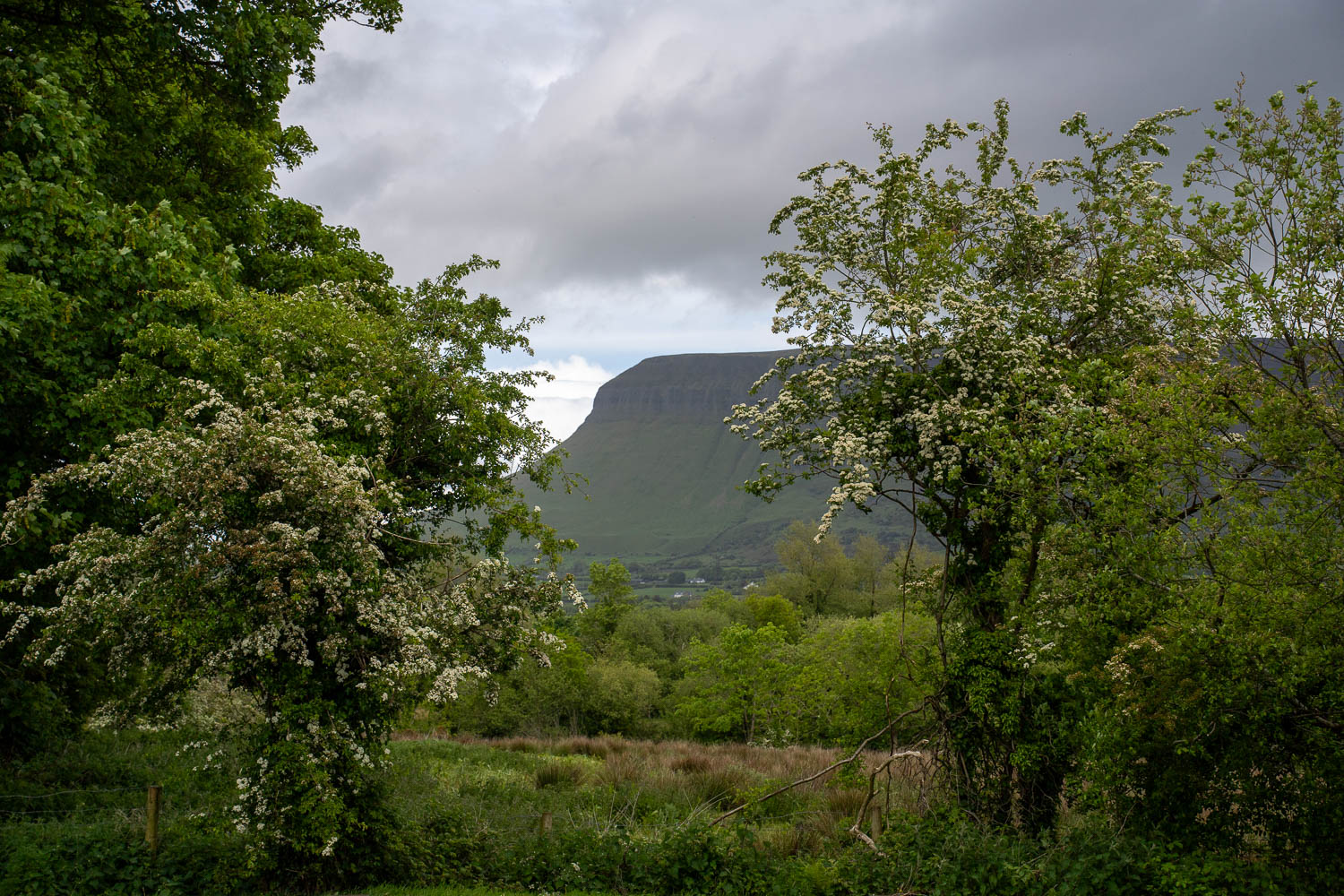
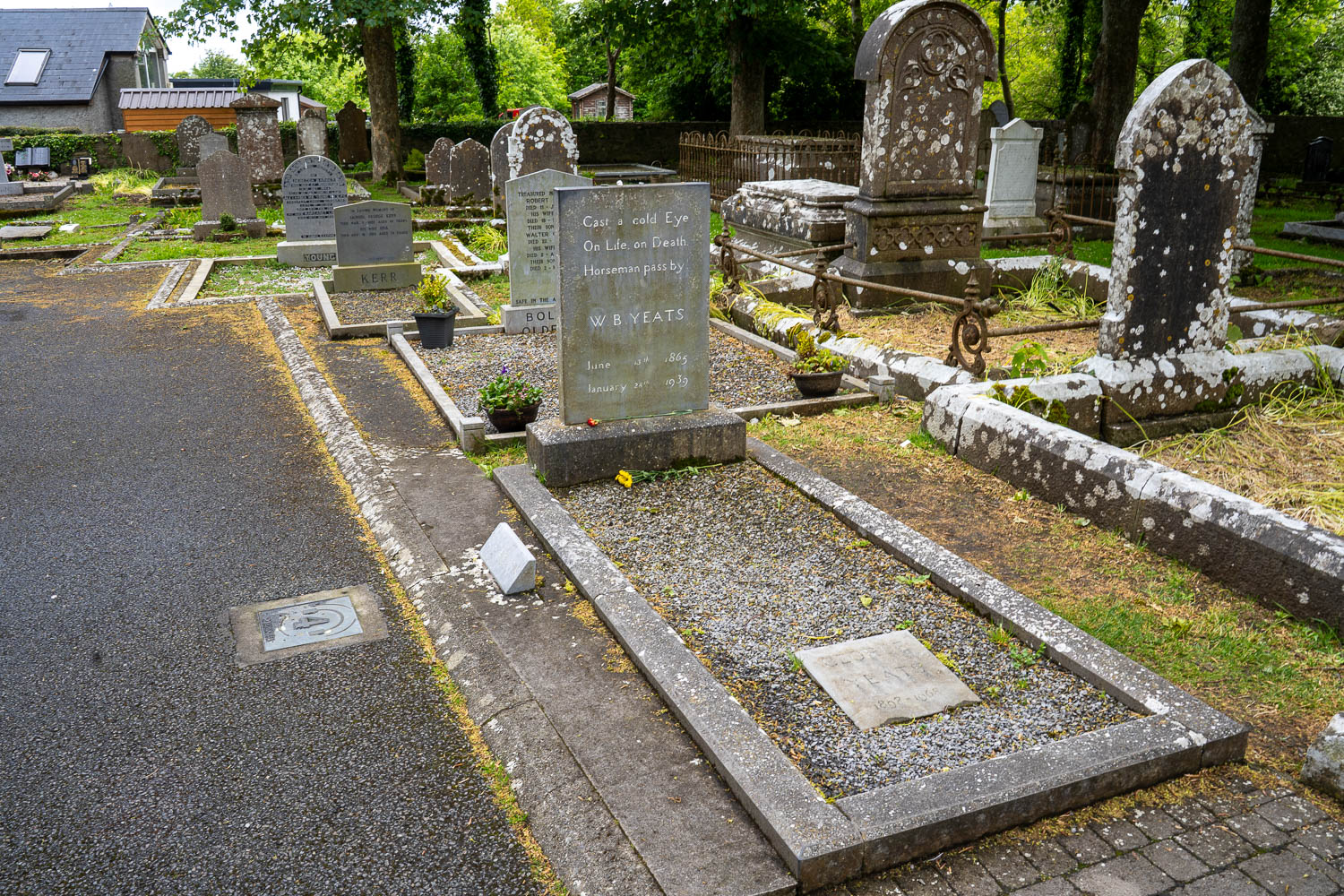
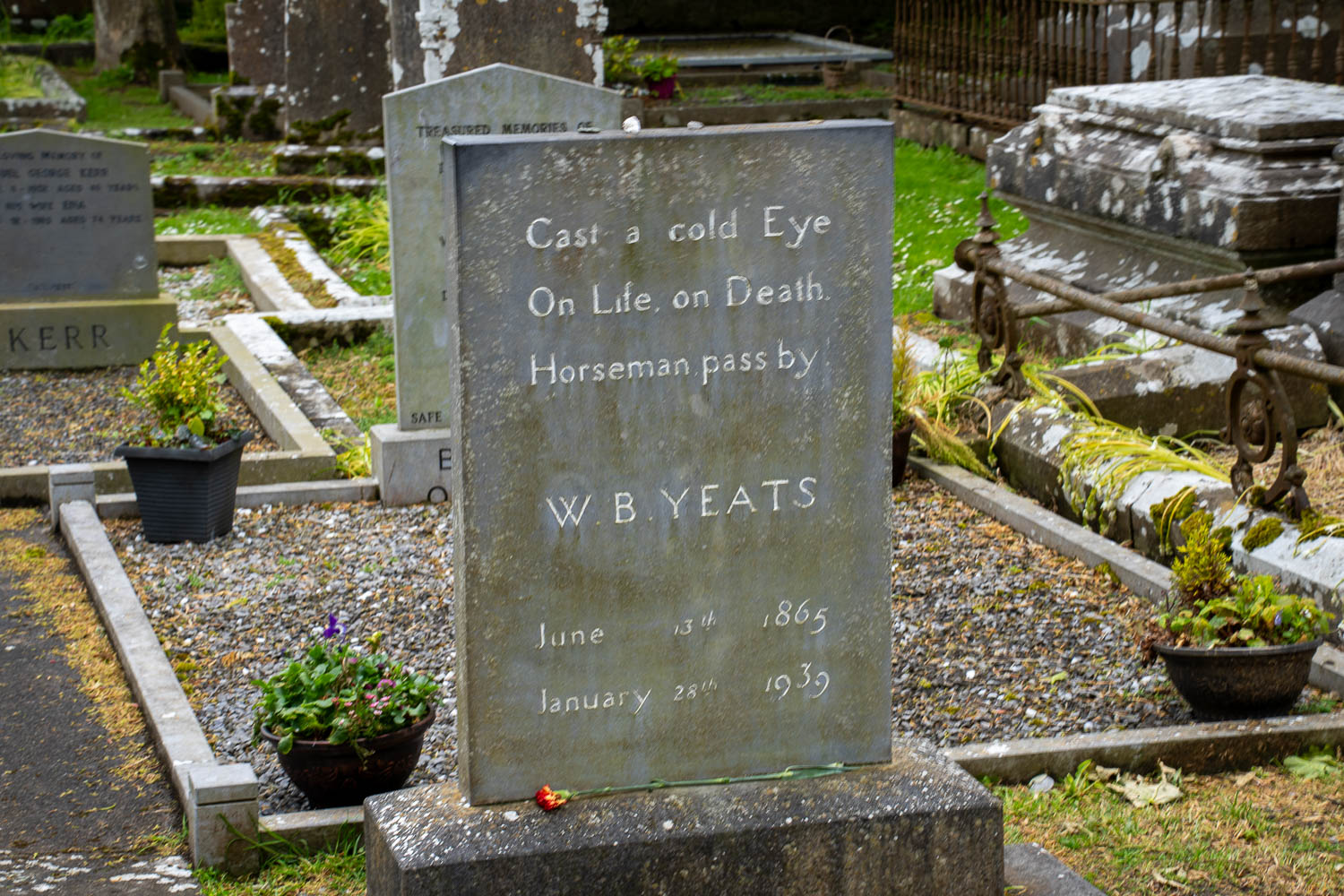
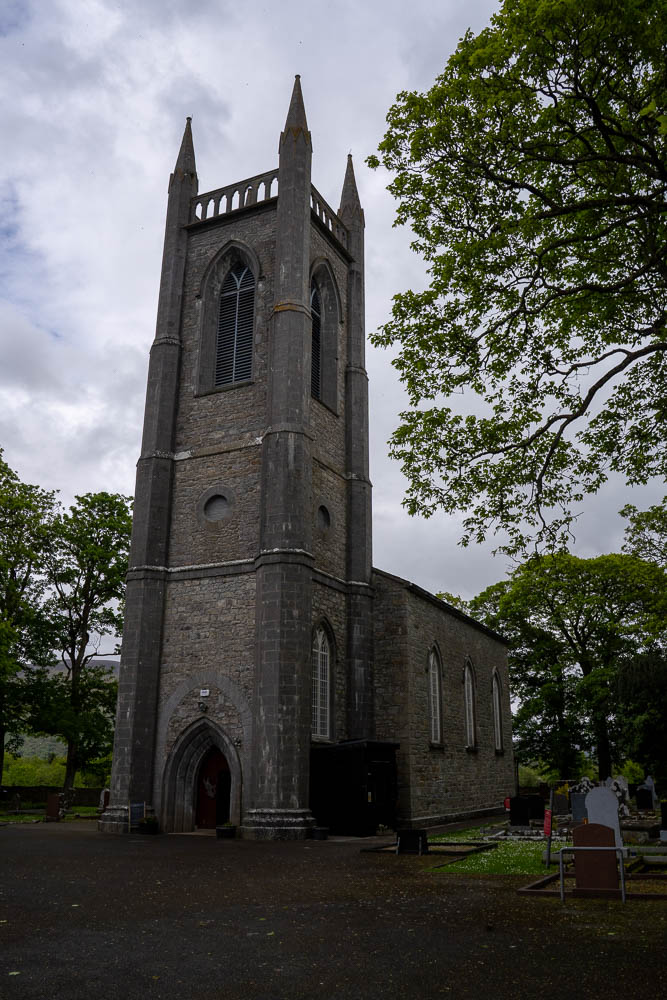
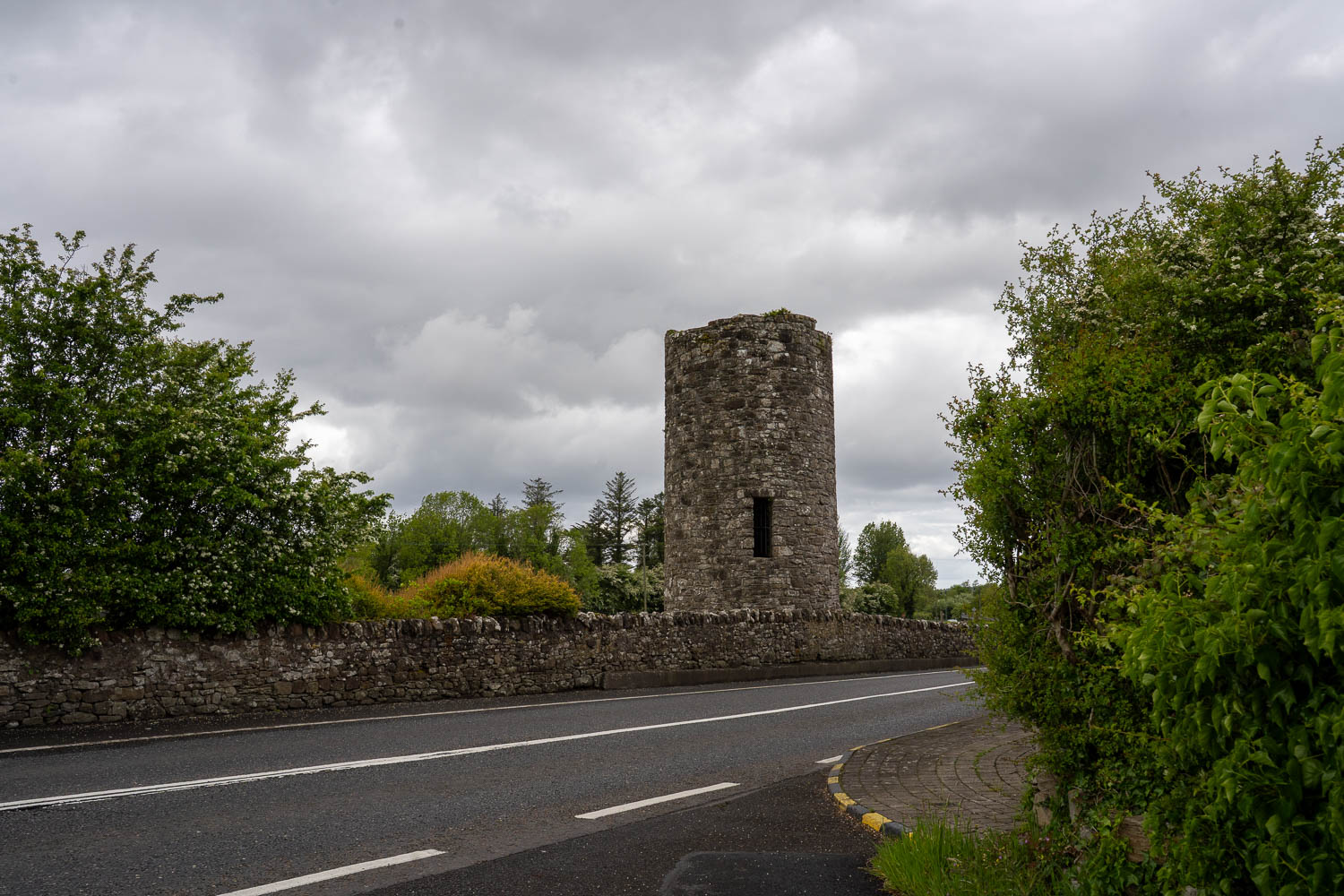
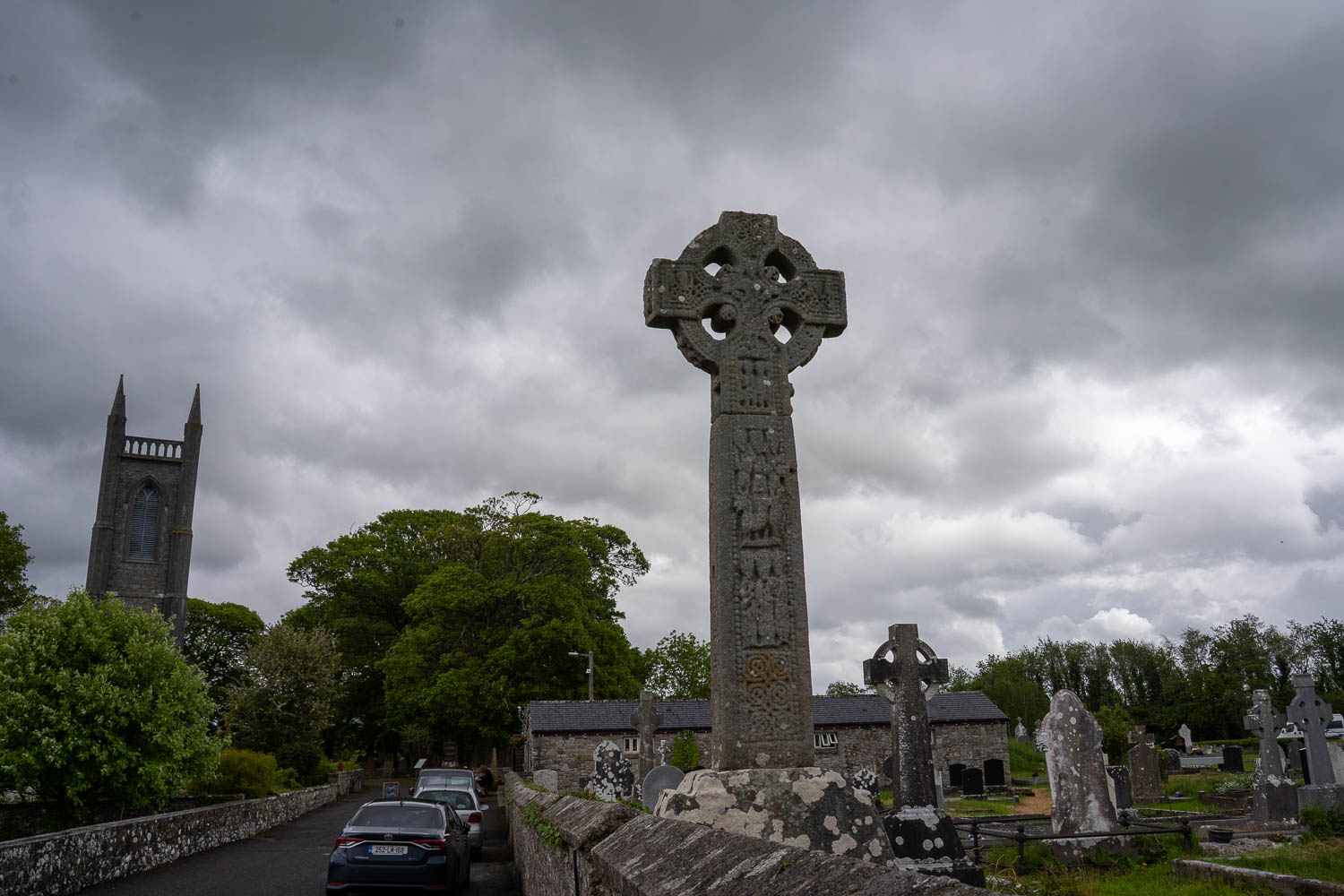
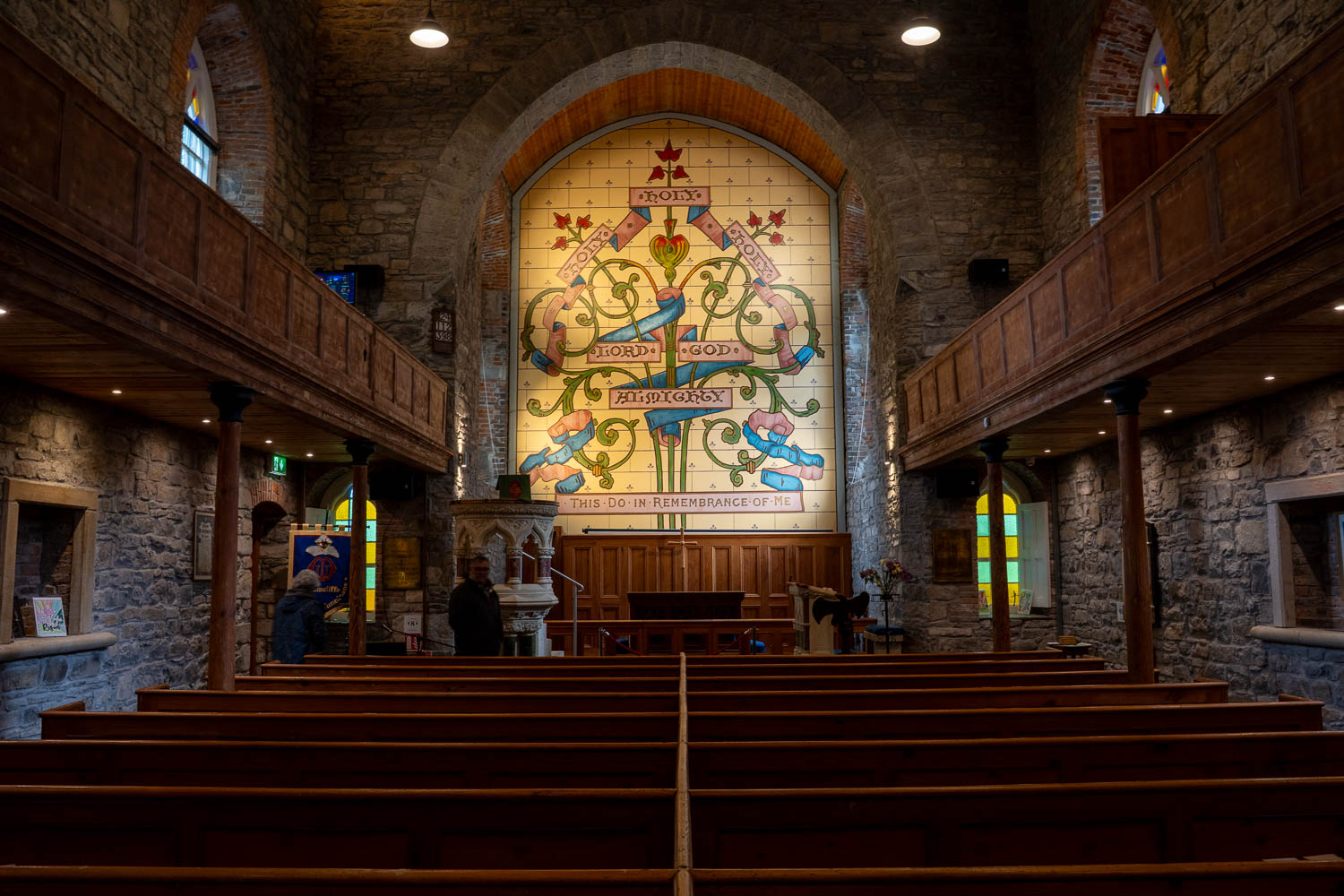
After the famine museum, we headed north through County Donegal, making a quick stop at yet another Book of Kells related church (a monastery founded by St. Columba) and the grave of William Butler Yeats. We had planned to stop at Donegal Castle, but it was cold and rainy when we arrived and we couldn’t find parking and were anxious to get to Derry before the Tower Museum closed for the day. So we waved at the castle as we drove by and headed the rest of the way into Derry. We found a car park near the museum pretty easily, but unfortunately the payment kiosks didn’t take credit cards or euros (since we’ve now crossed the border into the UK) and we didn’t have any pounds. We spent several minutes trying to install and register on an app, but neither of us could manage to receive the confirmation code via text. Since the last entry to the museum was in 10 minutes, we decided to take a chance, hoping the penalty would be a reasonably priced ticket and not a towing. We made it to the museum only to find out that the main exhibit is temporarily closed. The staff at the ticket counter asked if we’d like to see the Derry Girls exhibit and Charles and I had a moment where neither one of us particularly wanted to but couldn’t tell whether the other one did or not. So we ended up buying the tickets (and an opportunity to use the water closets) and made a quick loop through the exhibit. We both enjoyed the series and the exhibit likely would have been interesting for someone who was not worrying about whether their rental car containing all of their luggage was presently being towed.
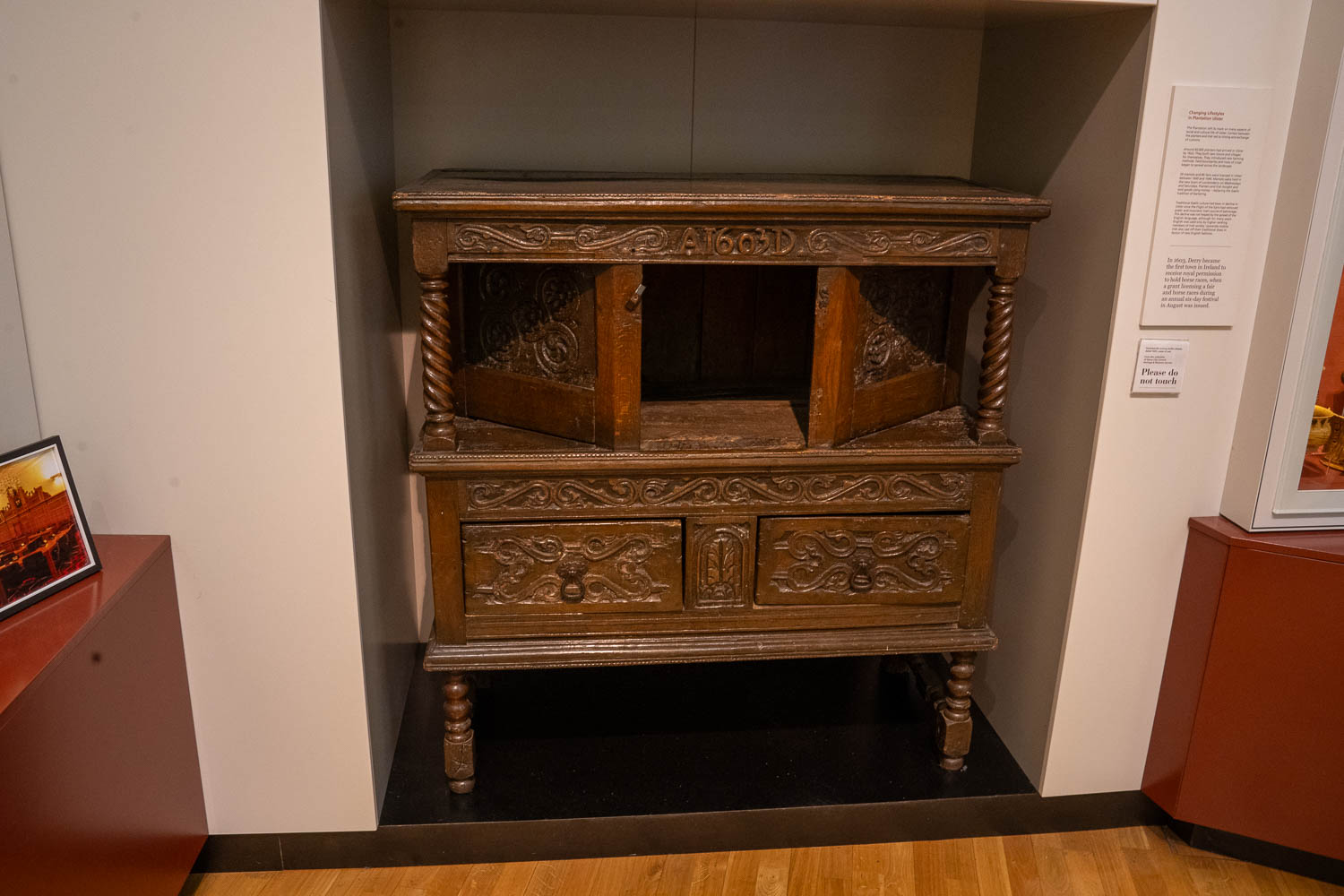
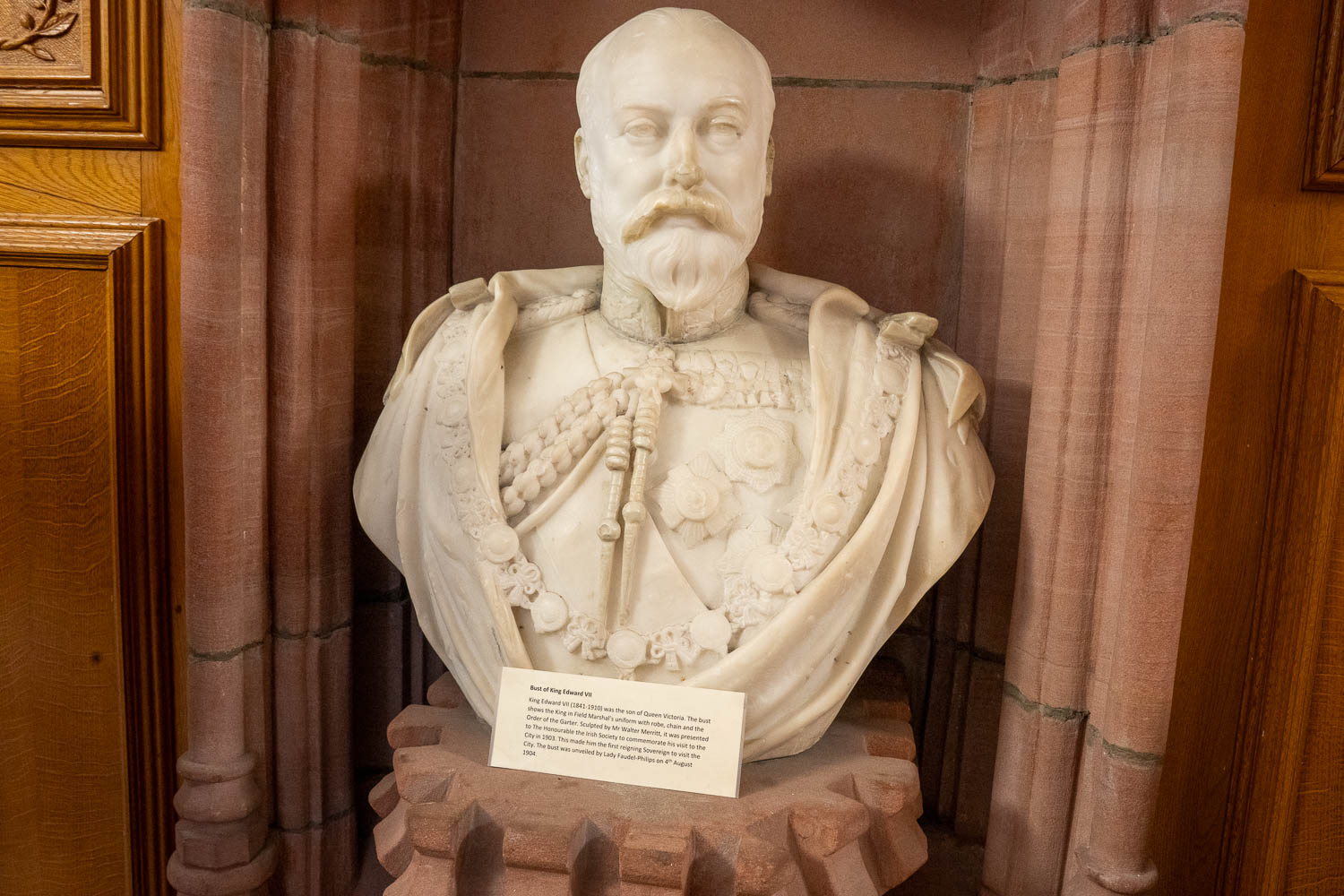
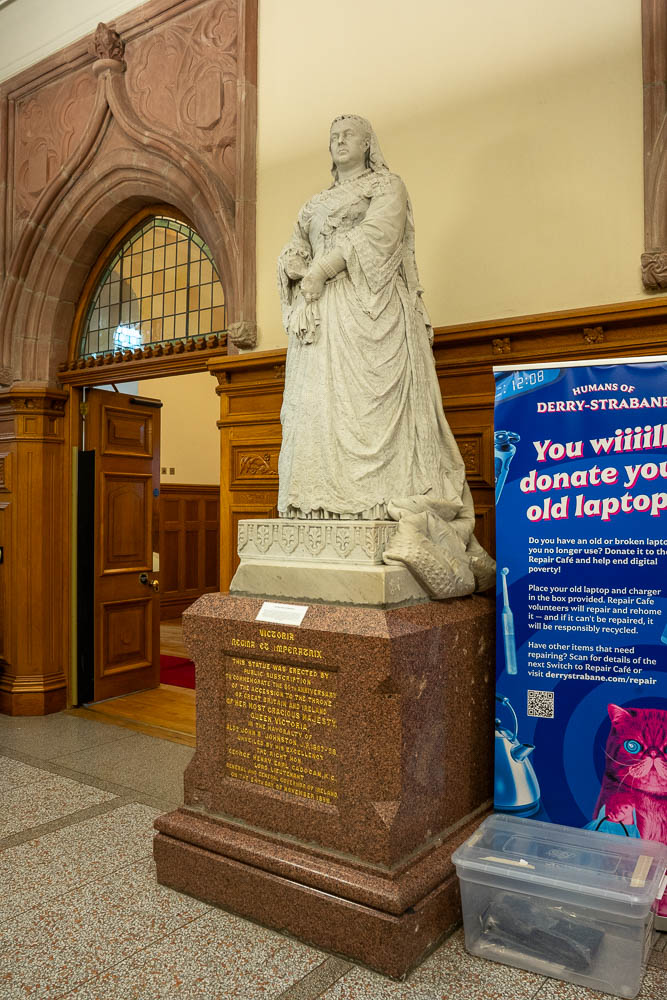
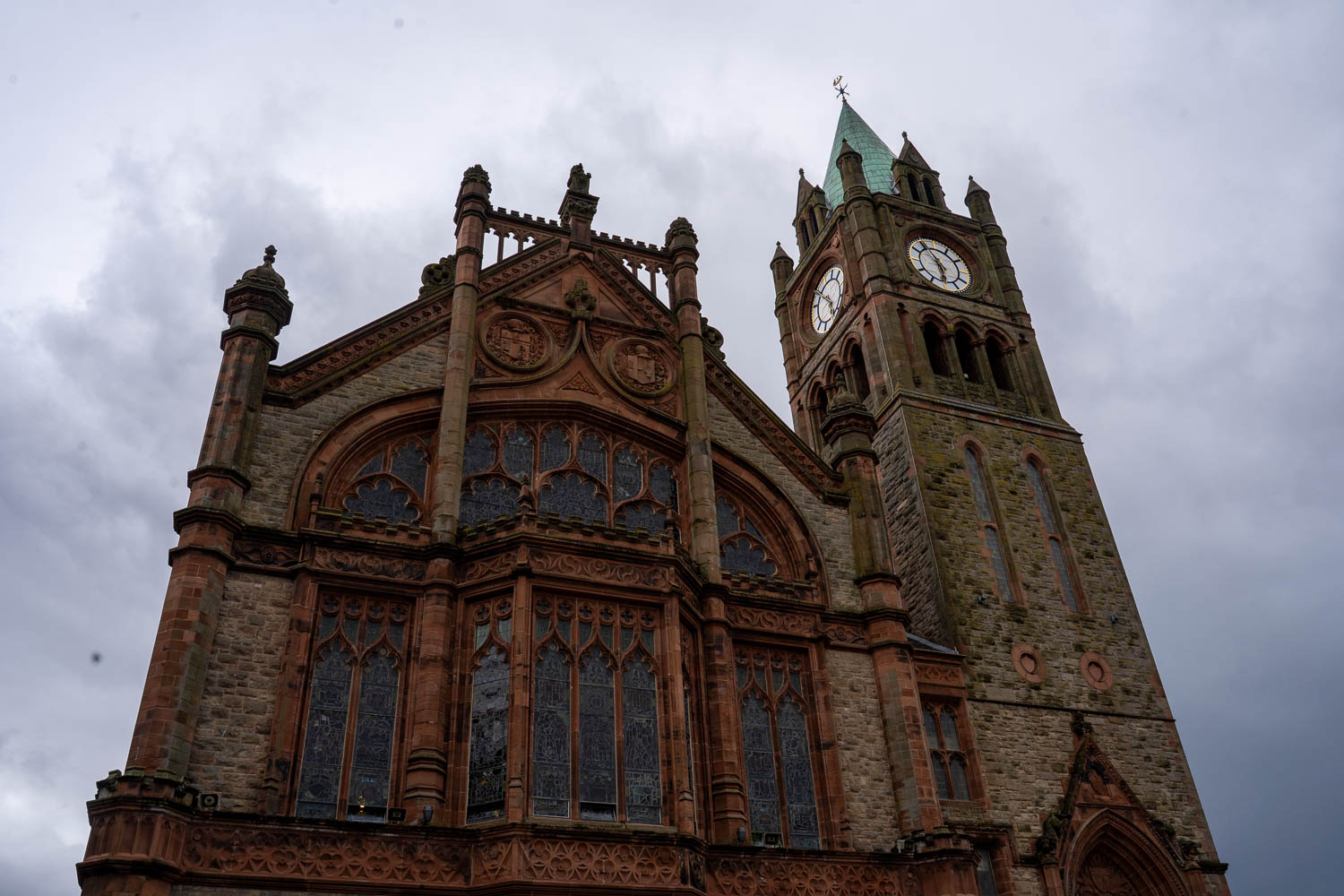
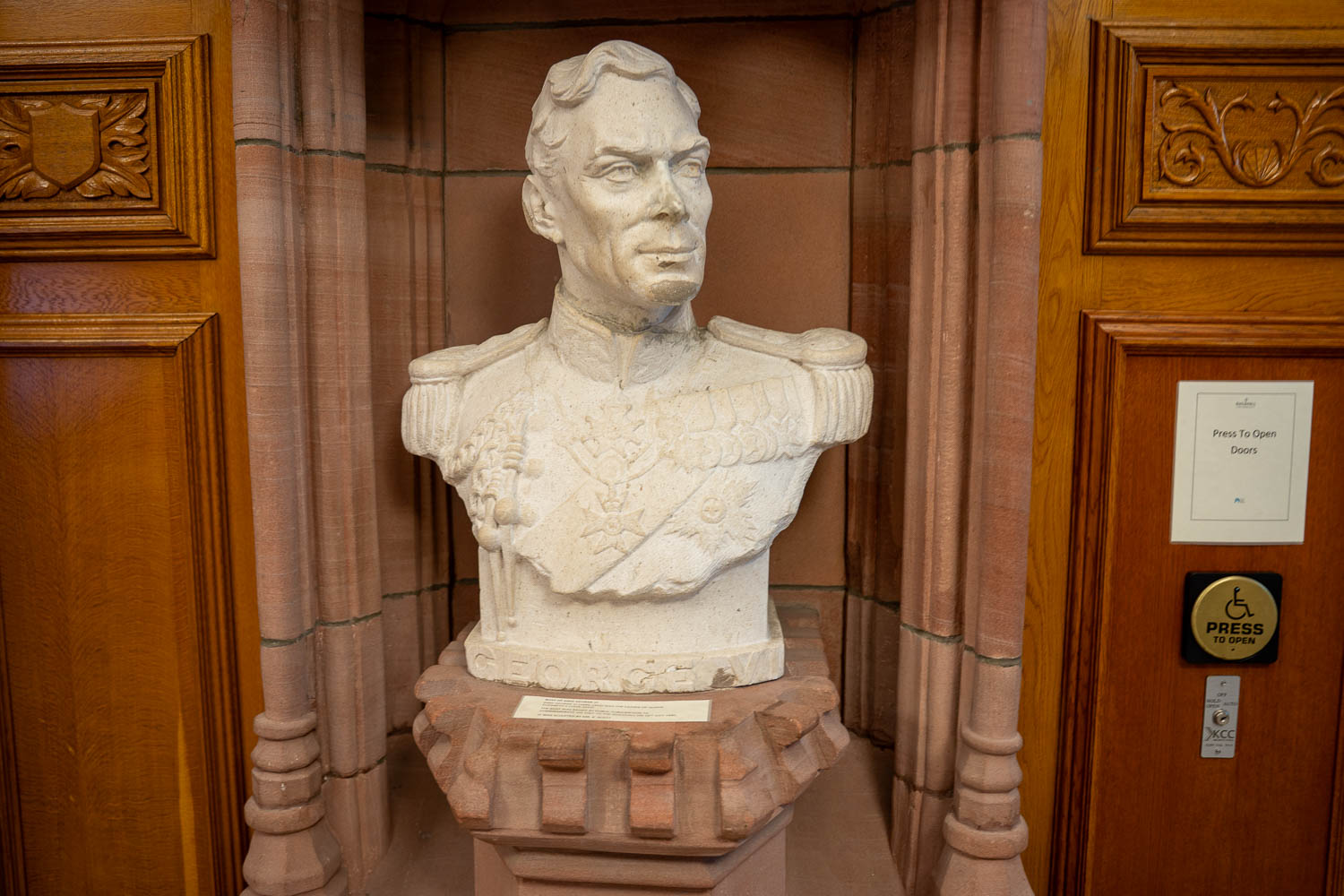
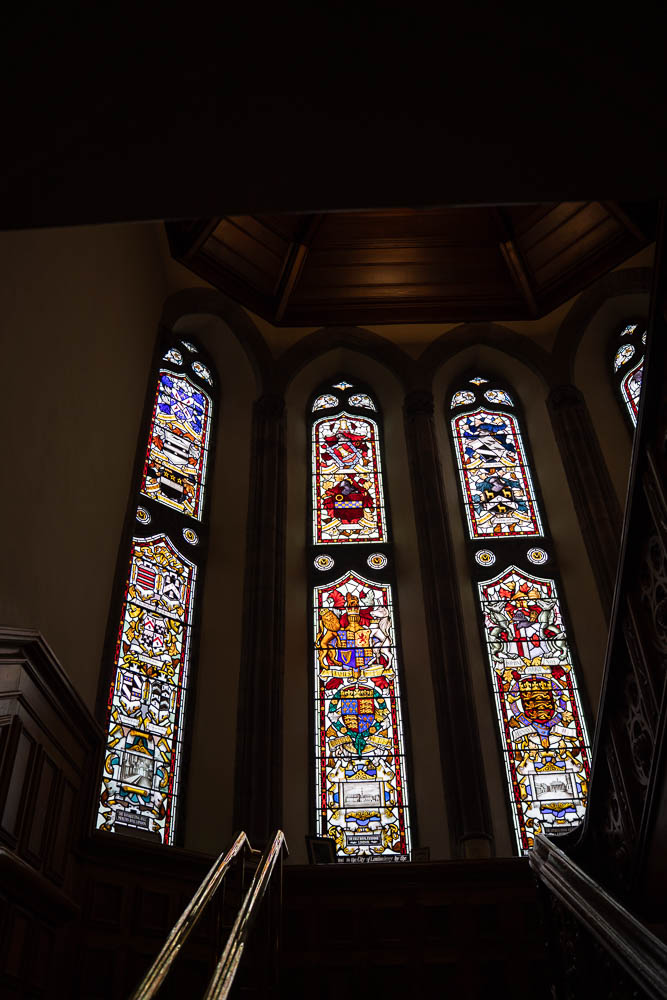
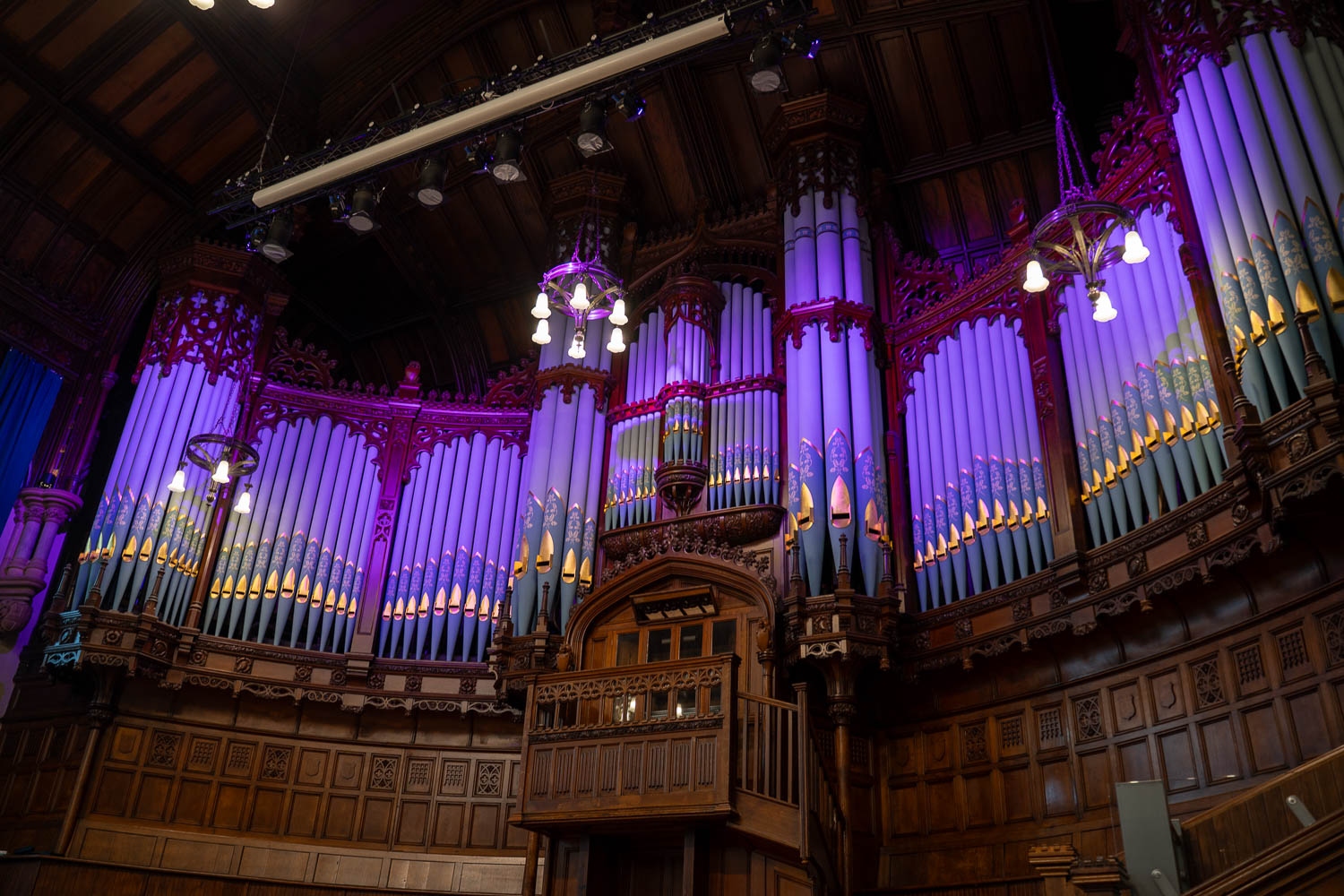
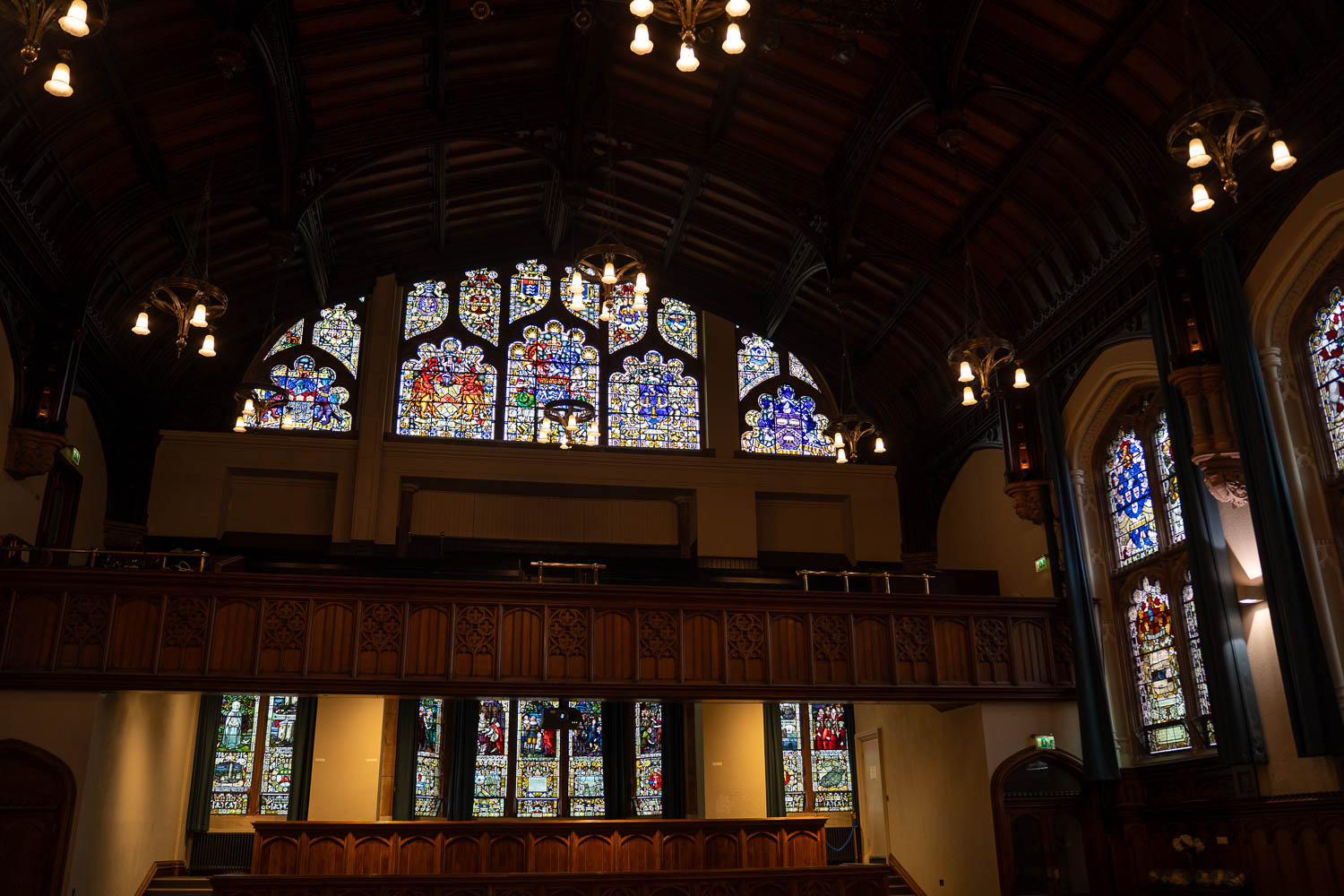
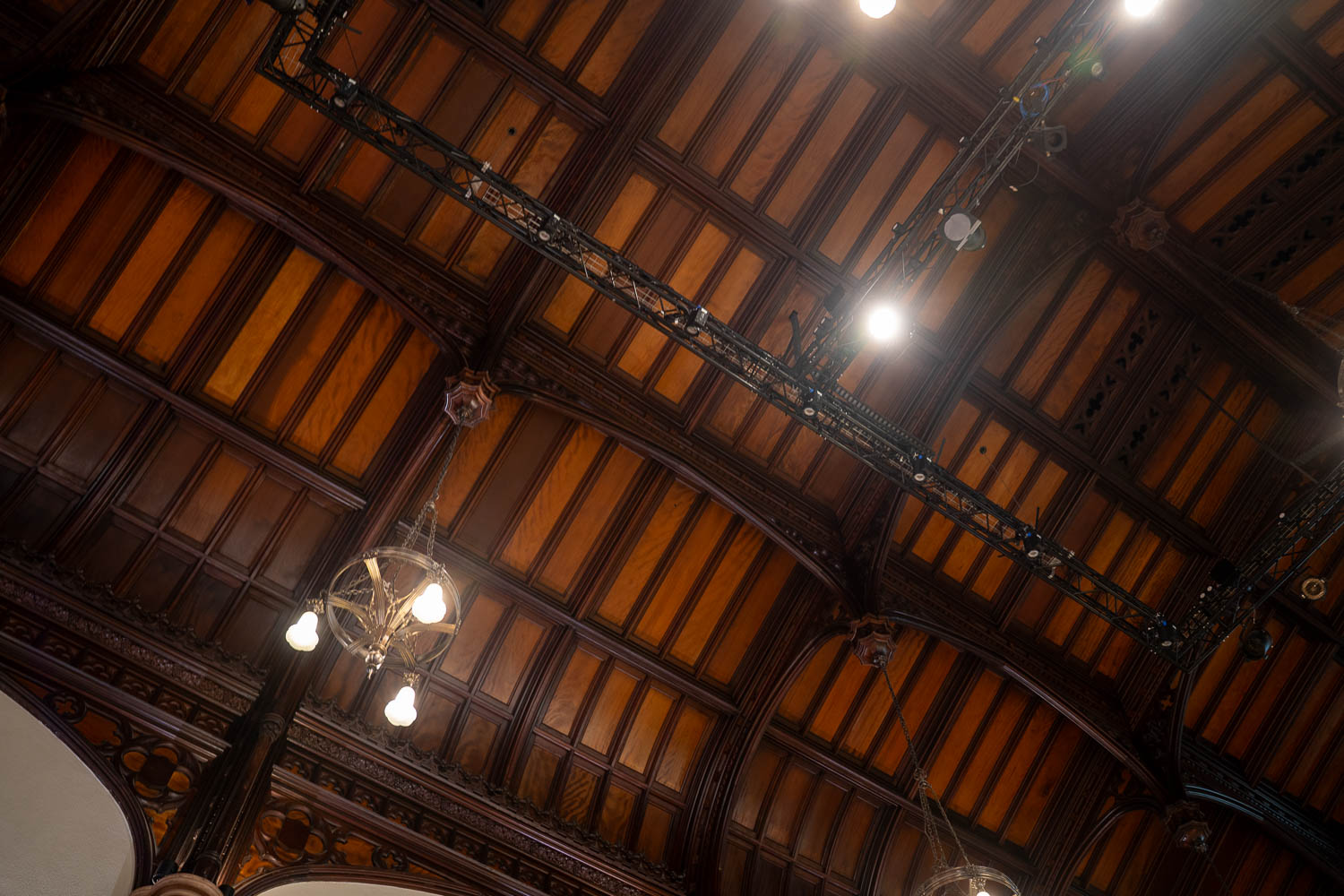
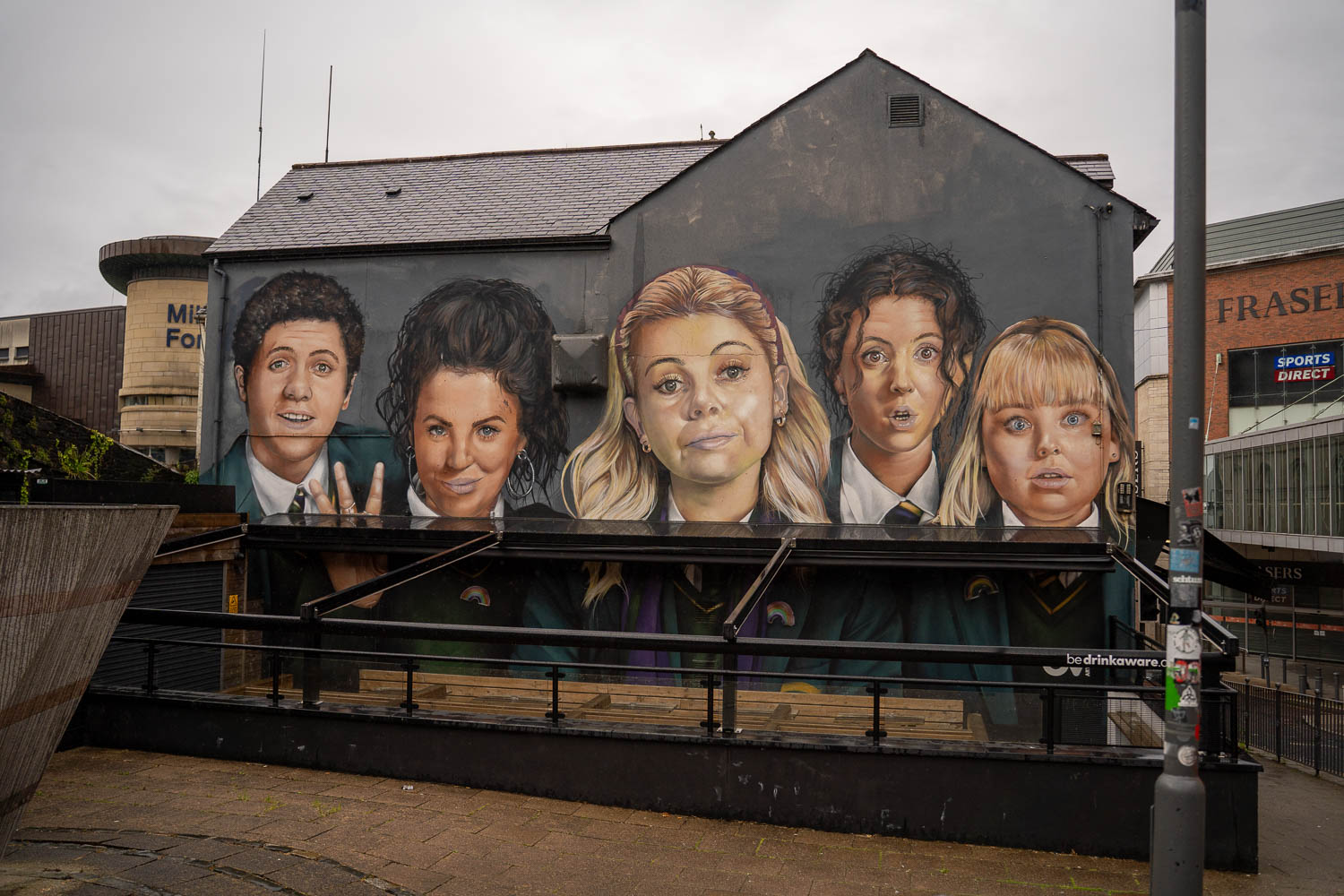
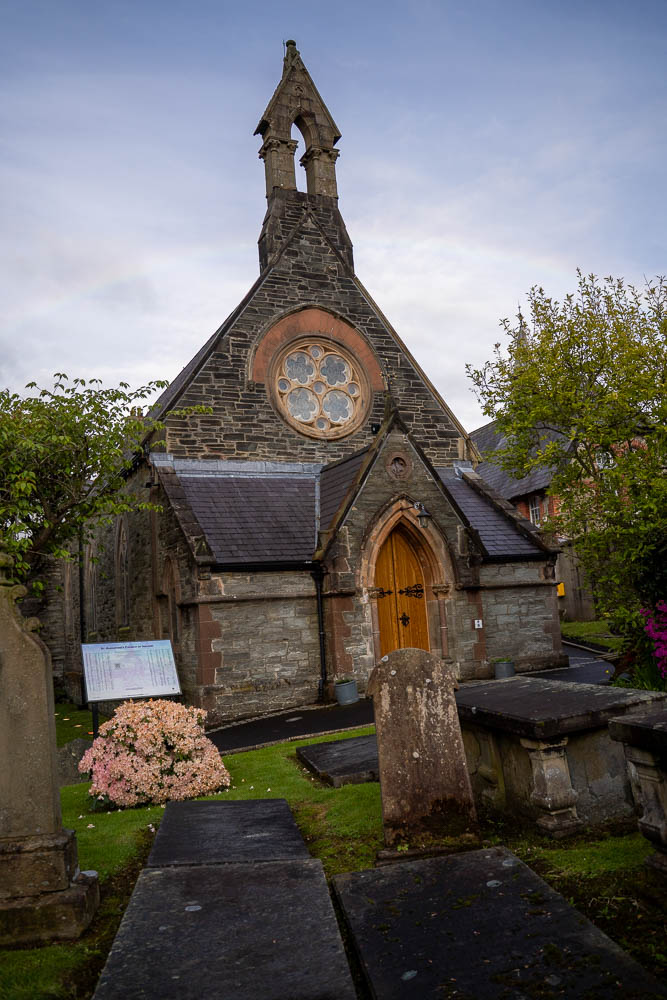
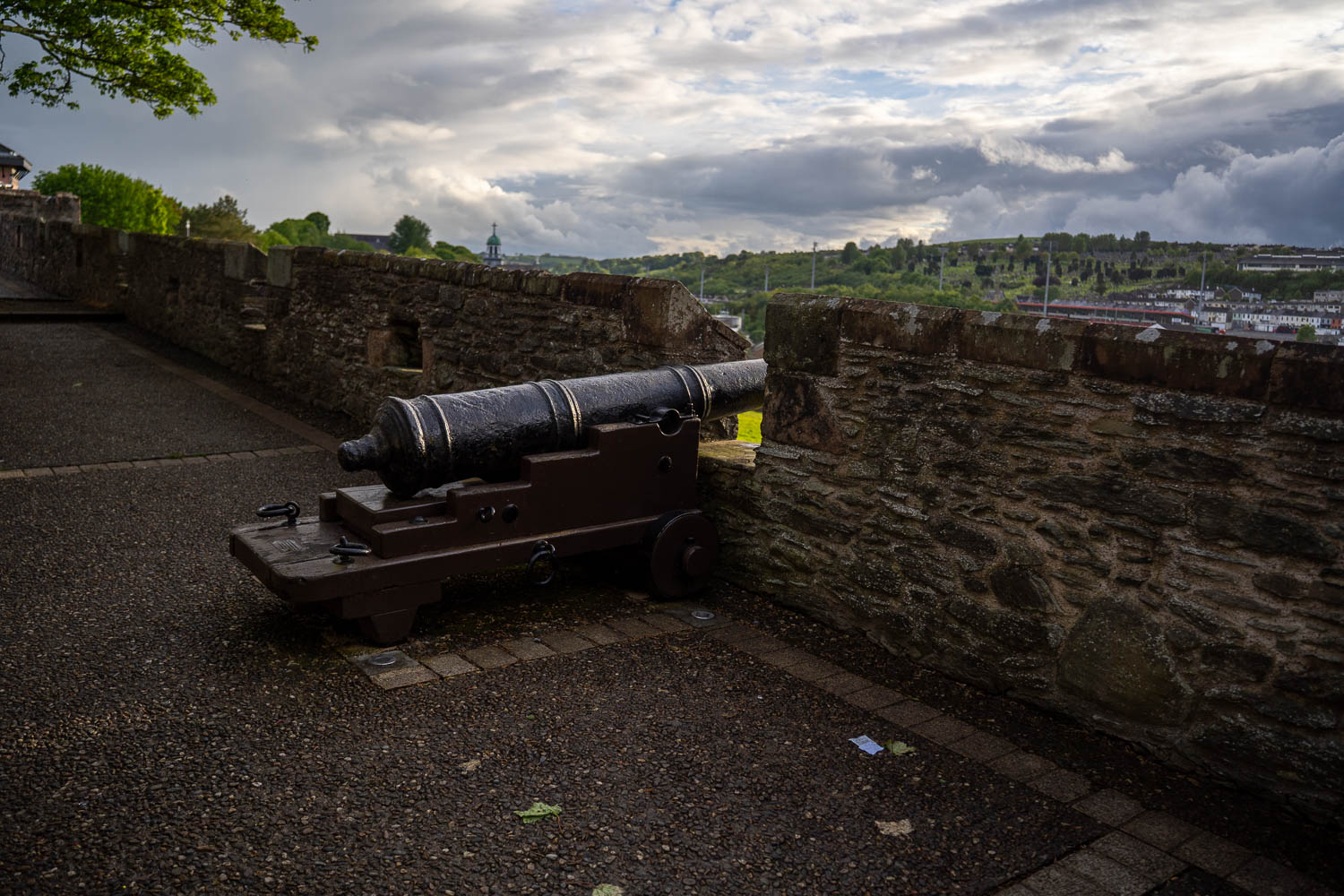
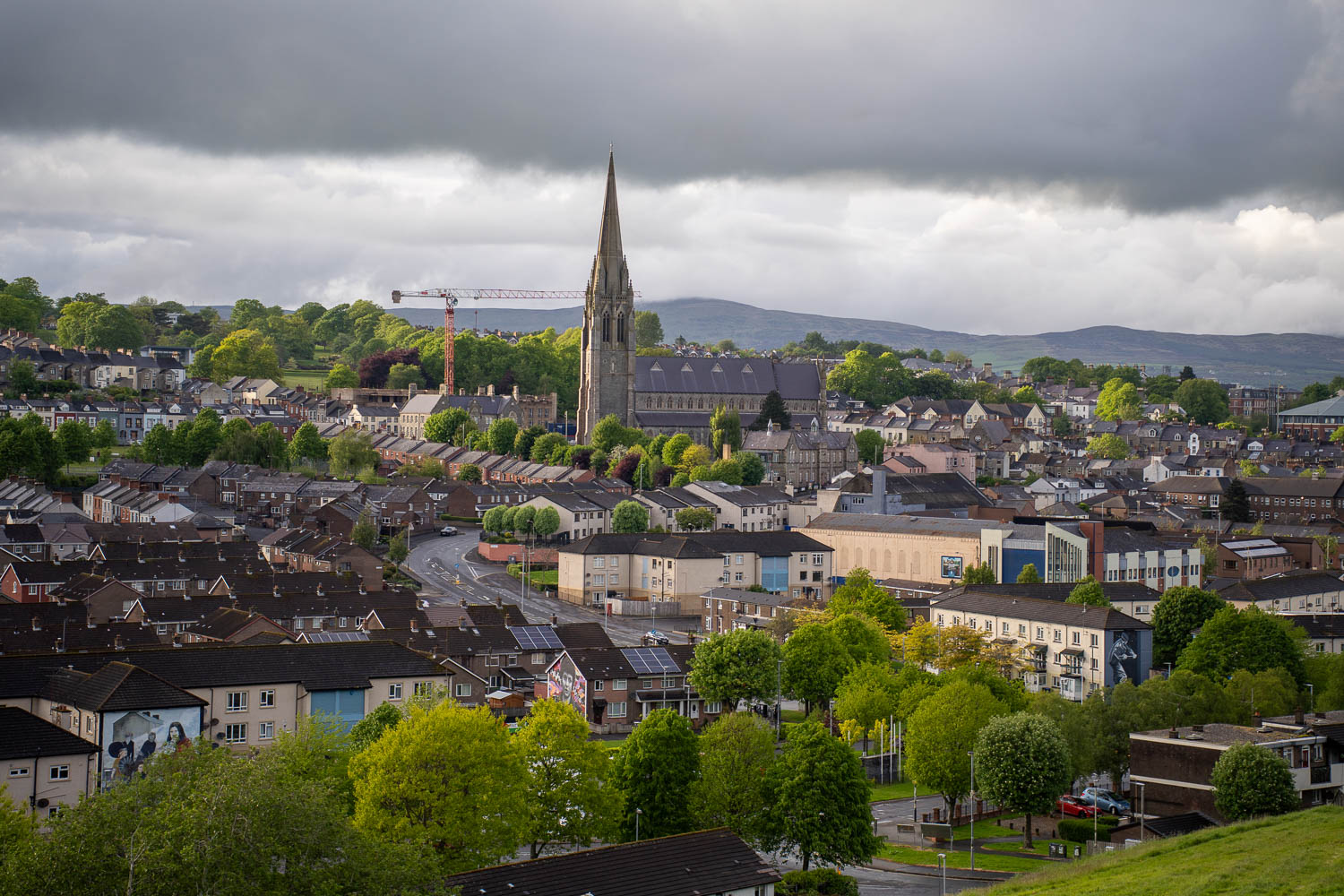
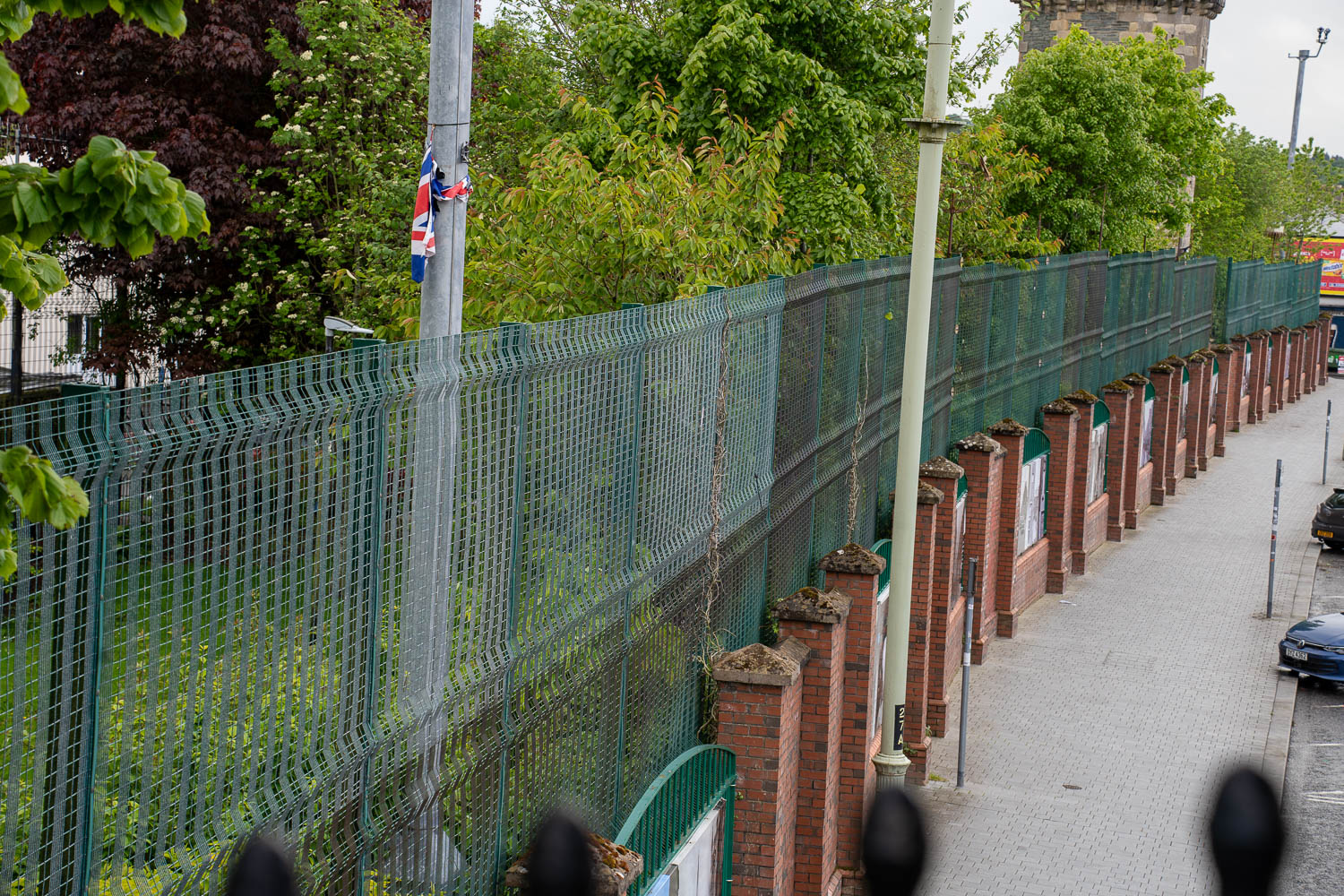
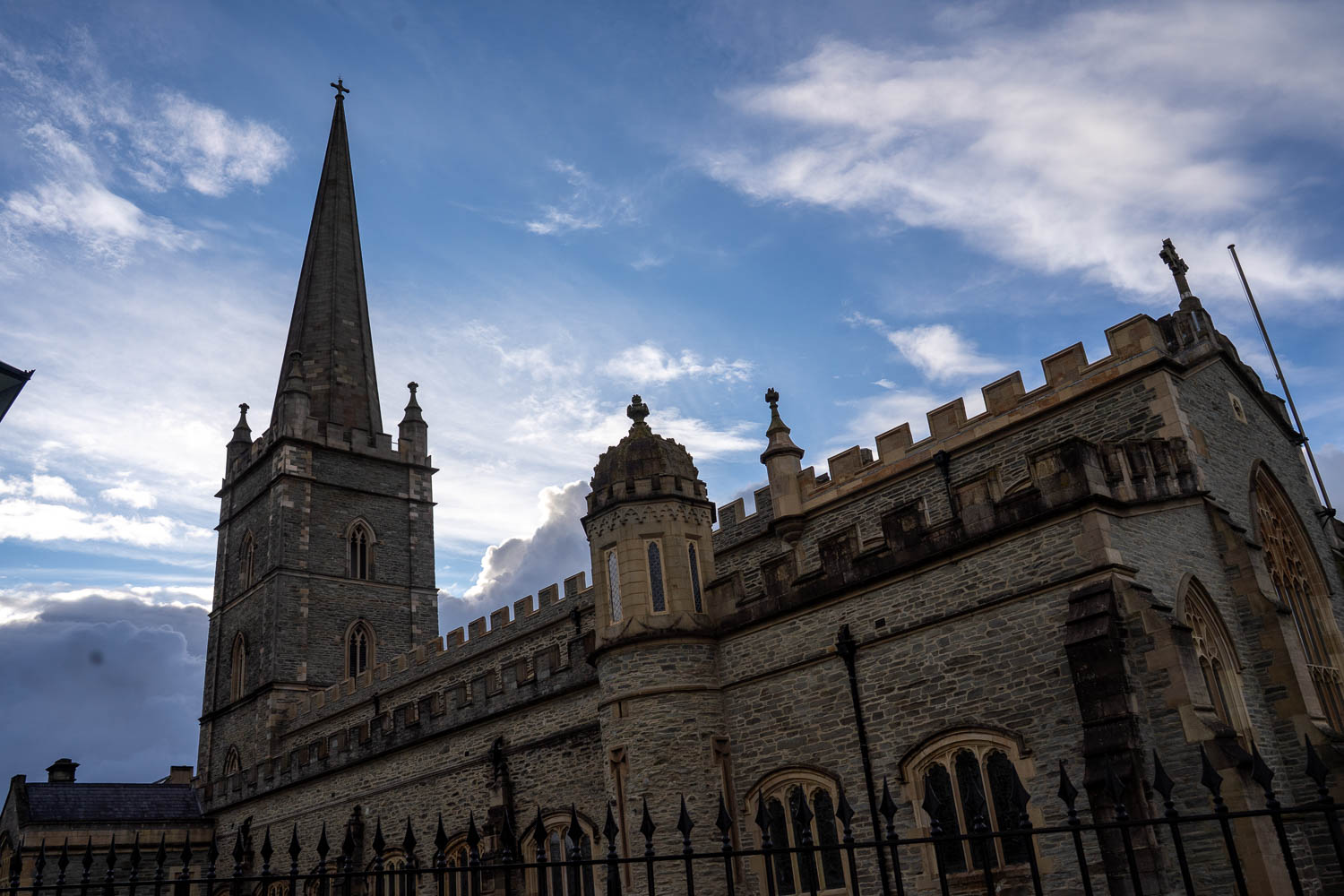
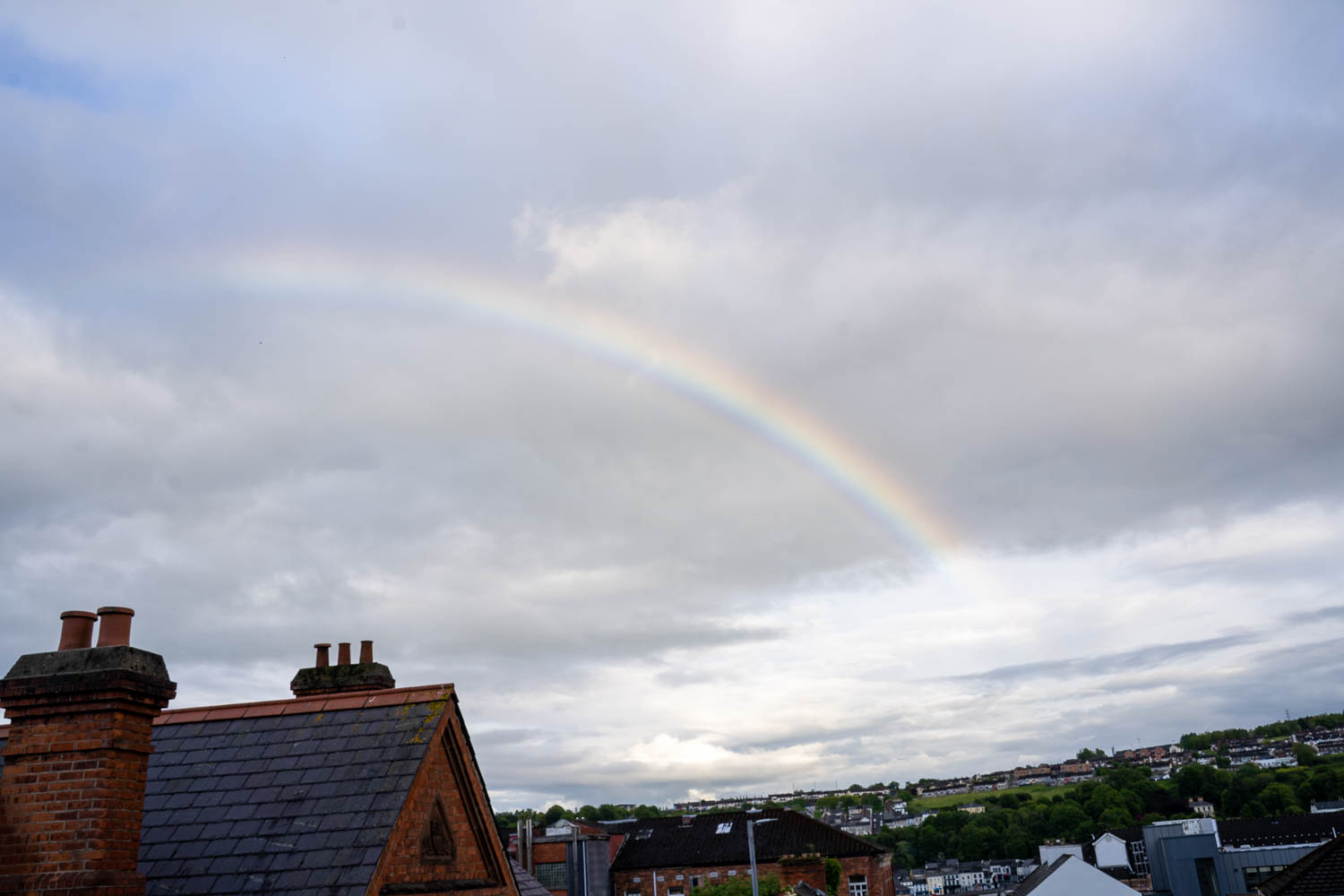
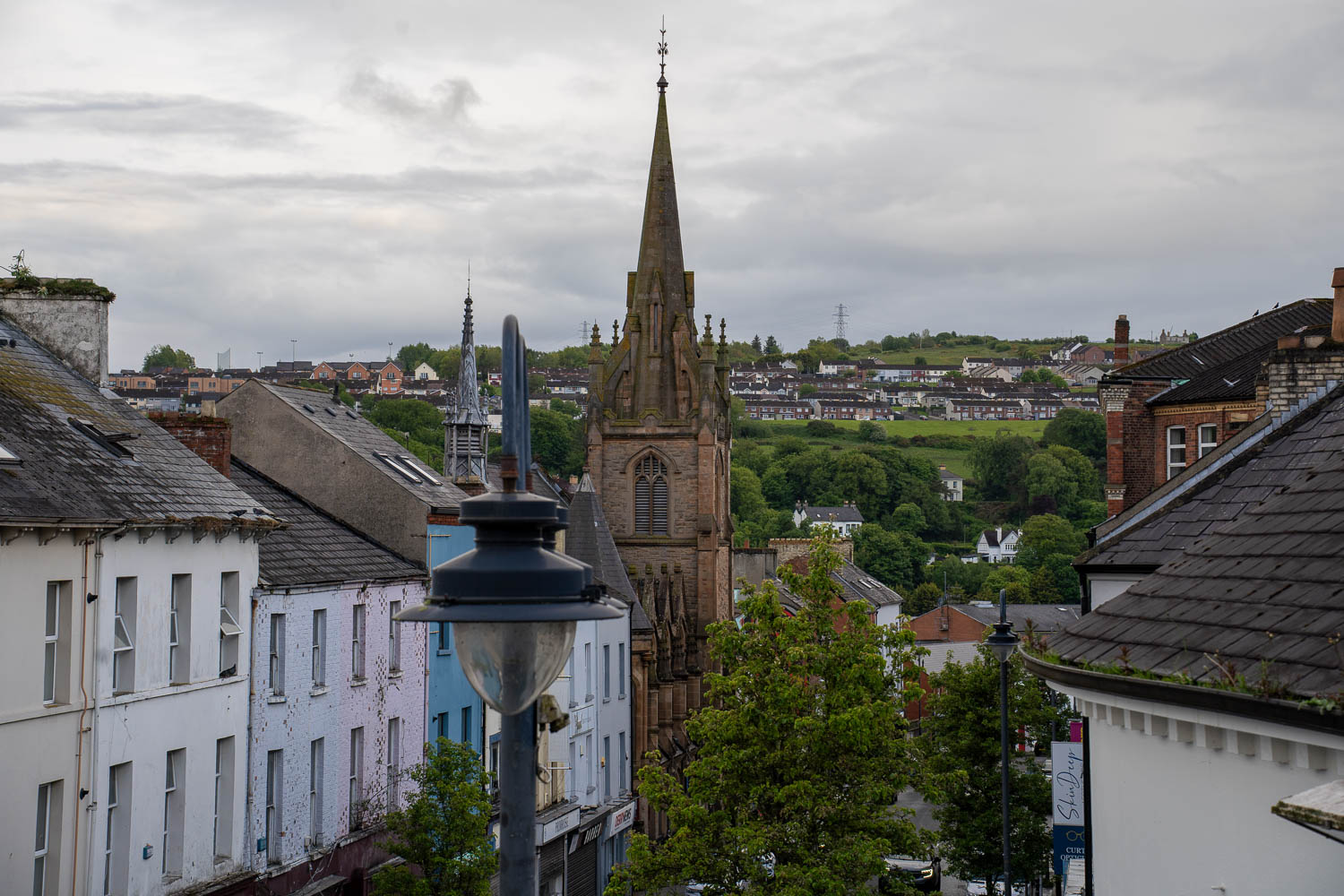
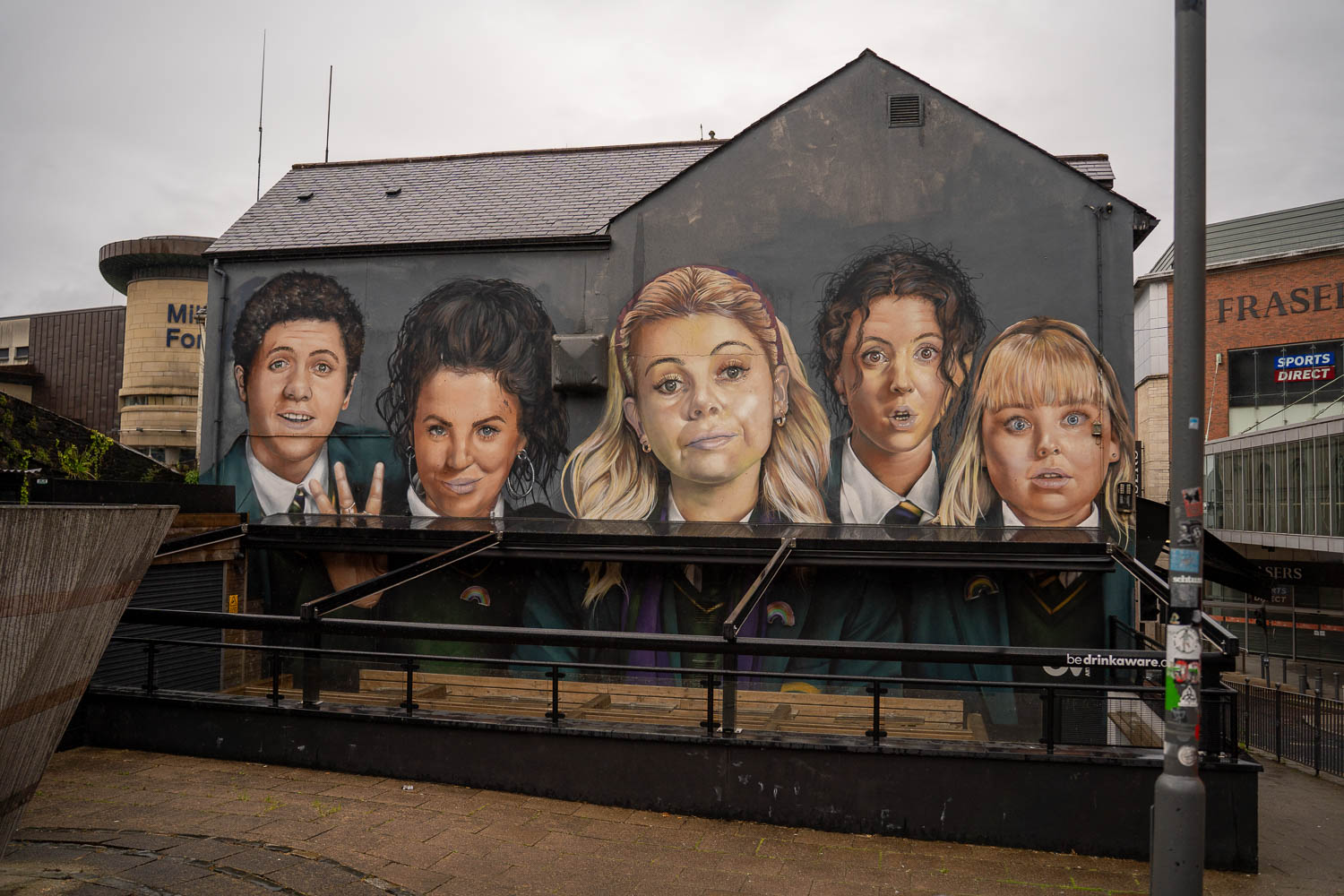
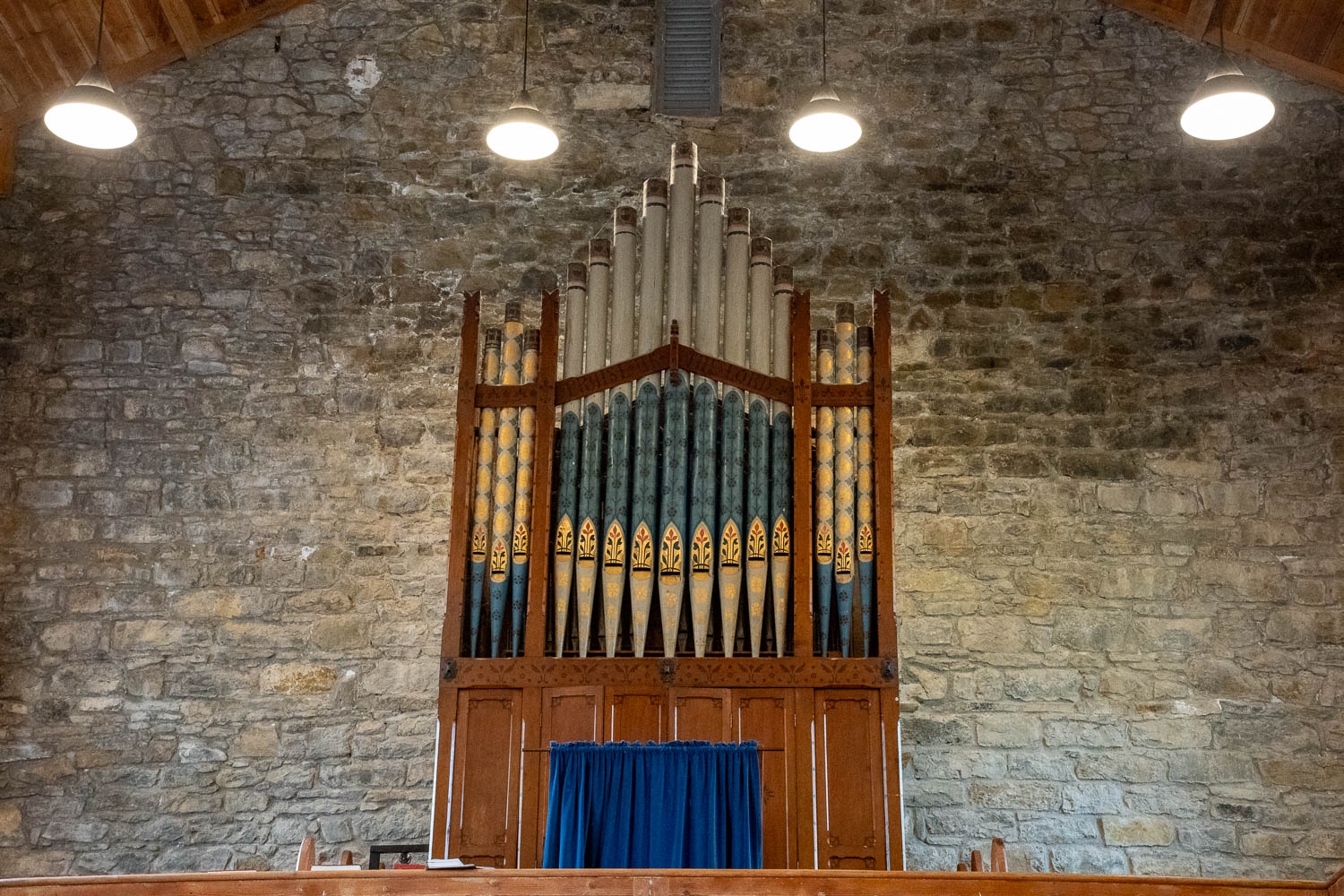
We made it back to the car park and were relieved to have neither a ticket, a clamp, nor a missing vehicle. We headed to a different car park closer to our lodgings for the night, this time one that fortunately accepts credit cards, and headed to our vacation rental with all of our luggage to discover that our unit was up 3 flights of stairs. We took a well needed rest before heading back out again to tour the Guild Hall containing some free exhibits about Derry’s history and check out the Derry Girls mural before grabbing dinner at Nando’s, which has different menu options in the U.K. that aren’t available in the U.S. I woke up this morning with a sore throat, a tell-tale sign that my body is fighting some (hopefully minor) virus and needed something that would be spicy enough to get my sinuses moving and perhaps a little more nourishing than the fish and chips we’ve mostly been surviving on for the last 10 days. After dinner, we did a self-guided tour of the town walls, getting a good view of the traditionally segregated neighborhoods of Derry.
Today’s Highlights
- An engaging museum exhibit to help us better understand the great hunger
- Spar coming through yet again for an affordable on-the-go lunch option
- A mostly peaceful drive through Irish countryside (despite a short period of heavy rain)
- Exploring the beautiful Guild Hall building with its stained glass windows and mosaic tiled floors
- Derry Girls mural
- Peri-peri pittas and hearty grain salads at Nandos
- A rainbow as we strolled around atop the town walls
Tomorrow’s Proposed Adventures
- Self-guided tour of the Bogside neighborhood
- Perhaps a stroll down Derry’s Peace Bridge
- A drive along that Antrim Coast, with a stop at the Giant’s Causeway and a couple of other sites
- Arrival in Belfast
 candbtravels