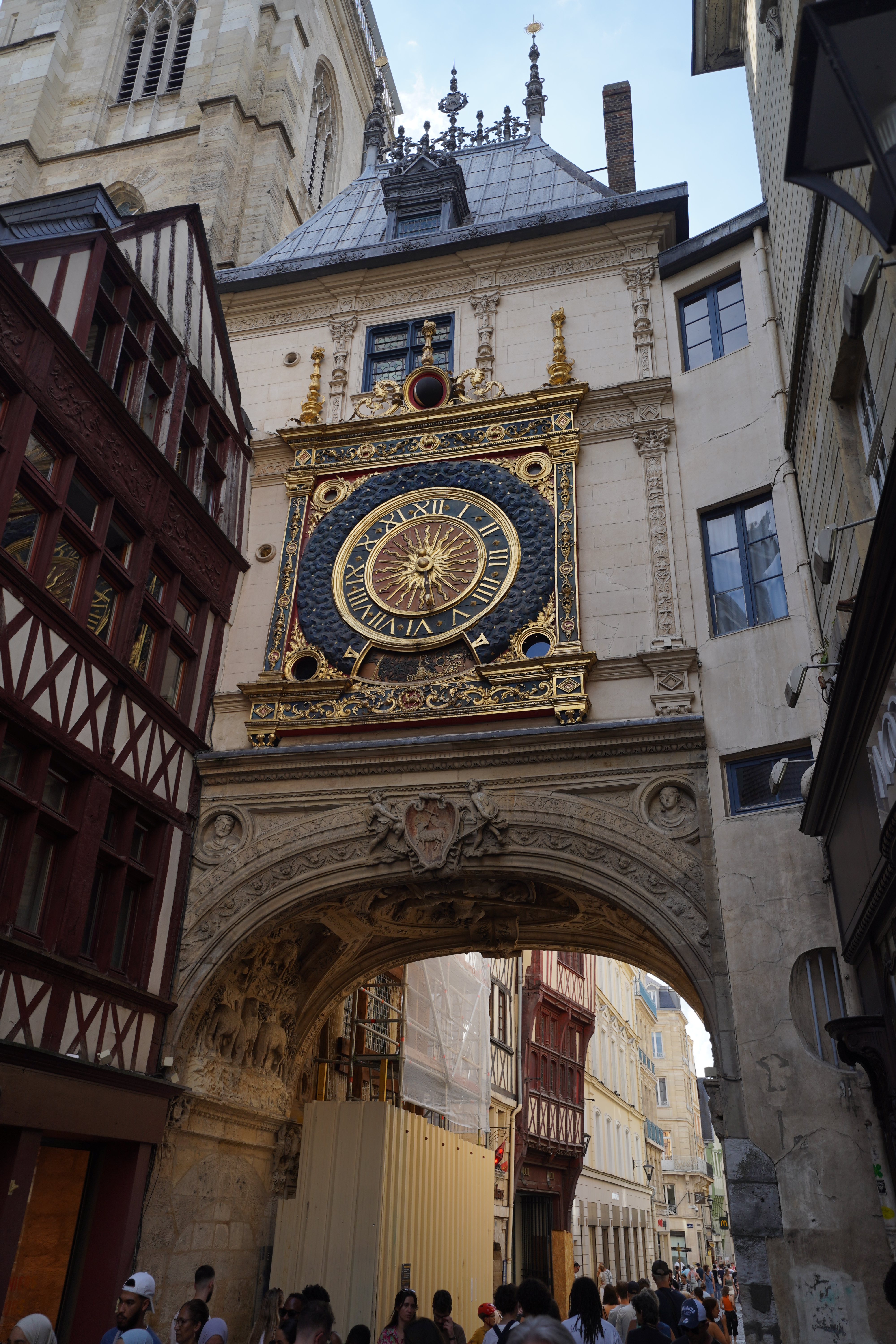
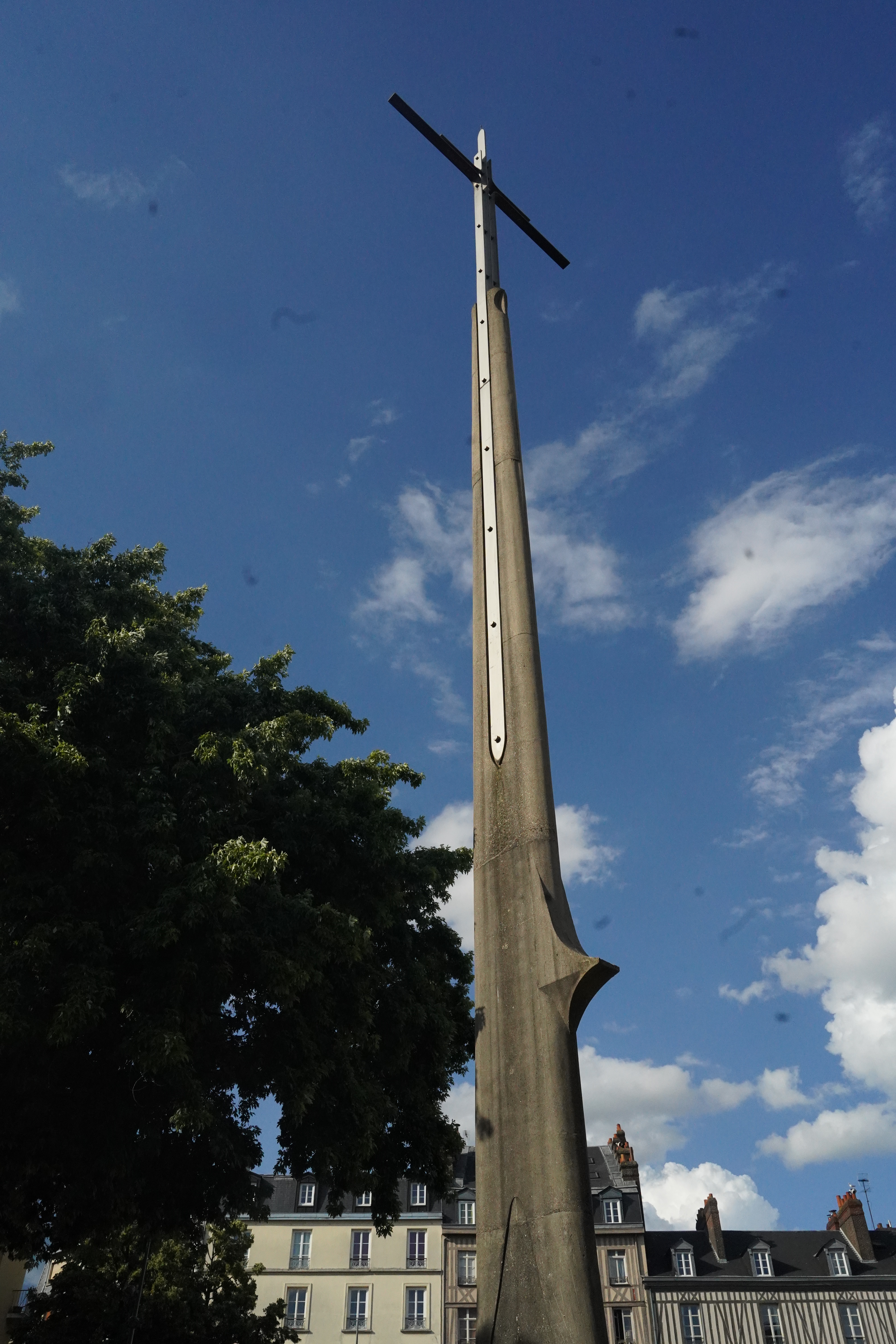
After we arrived in Paris yesterday, we picked up our rental car and headed to Rouen for the night. Our flight into Paris had been delayed an hour and we already knew there was quite a bit to see in the few hours we had before our dinner reservation. To exacerbate the issue, we spent over half an hour trying to find the recommended parking lot for our hotel, as Google was not well informed about road closures and one-way streets in Rouen. We got to our hotel quite a bit later than we intended, so we hastily showered and headed back out for a walking tour of Rouen. We walked through the beautiful Gothic cathedral, checked out the inner workings of the Gros Horloge (a very old and large clock), and visited the site where Joan of Arc was martyred. It was a bit rushed, but with the jet lag and fatigue, neither of us likely had the attention span to listen to the full 90 minute audio tour of clock history.

Dinner was at La Couronne, reputedly the oldest restaurant in France and the restaurant where Julia Child dined and fell in love with French cuisine. There’s always a bit of culture shock that first day in a different country and one of us (Becky) always feels intimidated by French restaurants. However, the owner and servers were all so friendly! We each ordered a four course meal with traditional French favorites and local Normandy specialties. It was a great choice for our first night in France, but it did end up being a very long meal. We staggered out of the restaurant three hours later, exhausted and overly full and collapsed in our hotel room for the night.
Today we got an early start as we started the journey toward Bayeux and the D-Day Sites. In fact, we got such an early start that once we were in the car, we realized we would reach our first stop over an hour before it opened. So we stopped at a boulangerie and picked up a baguette and some pain au chocolate and enjoyed our treats on a bench along the Seine.
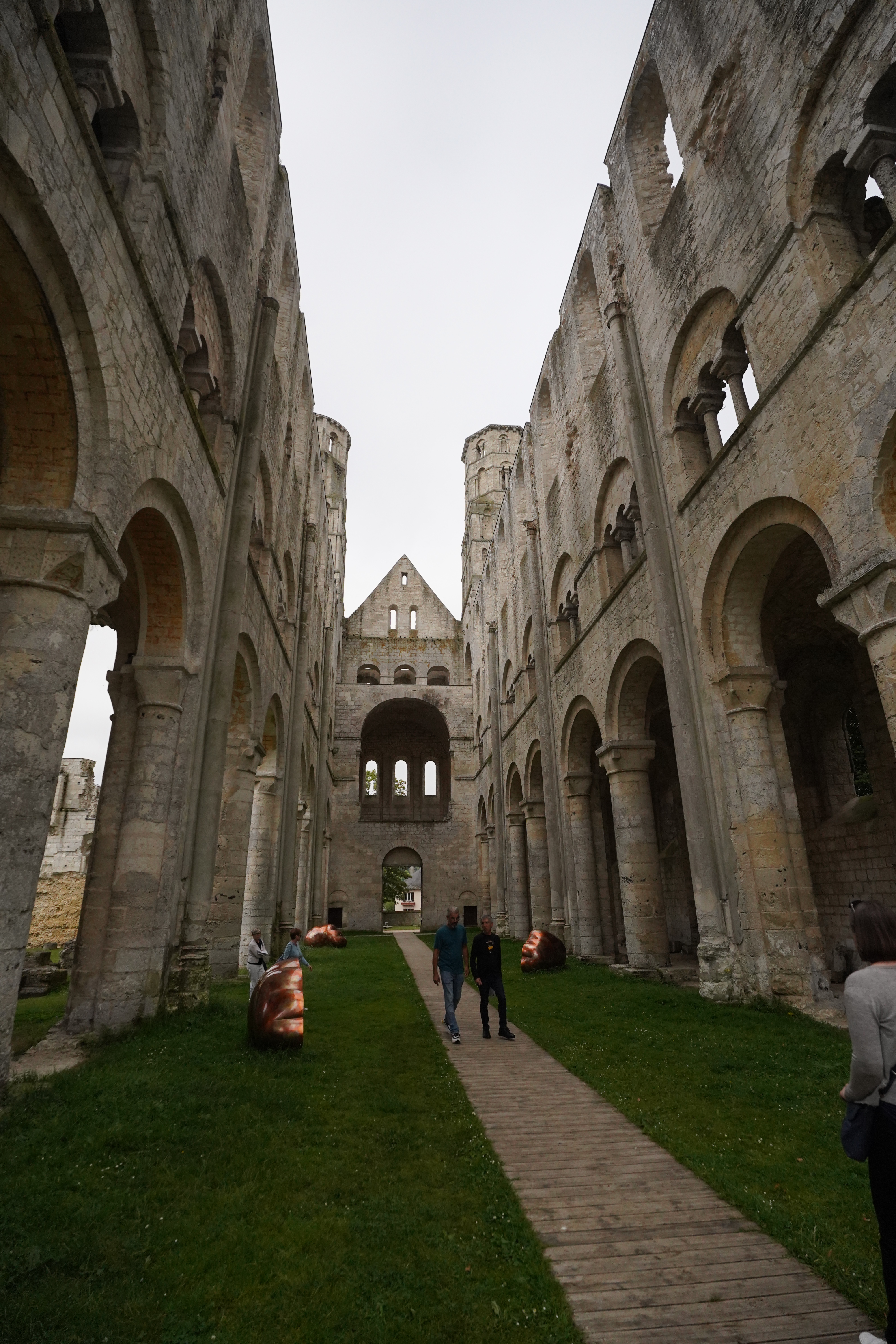
Our first real stop was a ruined abbey, Abbey Jumieges, which was used as a quarry during the French revolution. It was different from many of the other ruins we have visited in our travels where gravity crumbled tall walls and left just the stone outline of a foundation. The destruction in this case was caused by men, not time and weather, so taller parts of the structure were left intact, as the taller structures were more difficult to quarry. The effect was dramatic with the nave still pretty well intact.
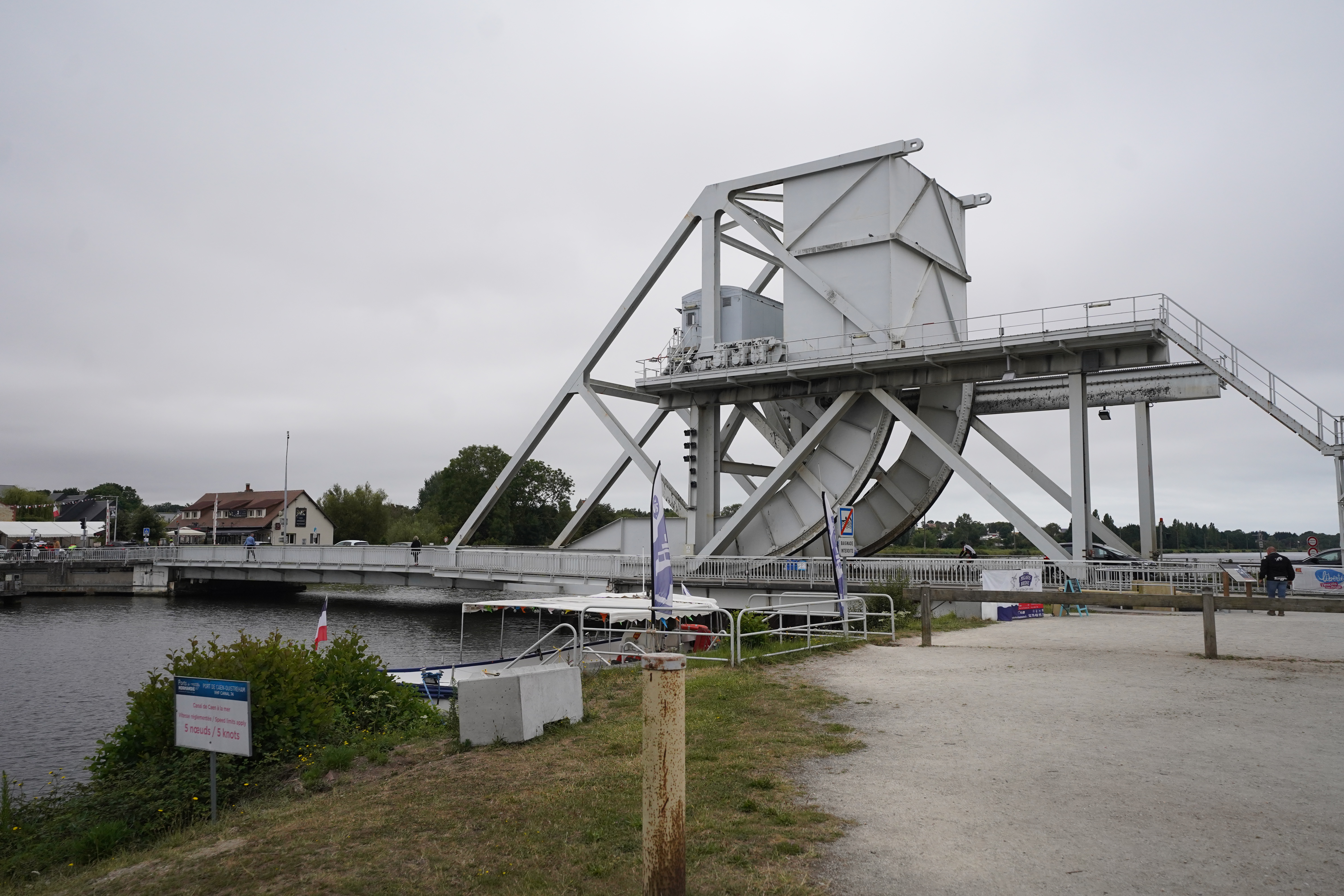
After the abbey, we headed for Pegasus Bridge, the first of our D-Day sites. The original bridge is on display at a nearby museum, with a newer bridge in its place, along with several memorials commemorating the British troops that glided in to take the bridge in the early hours of D-Day.
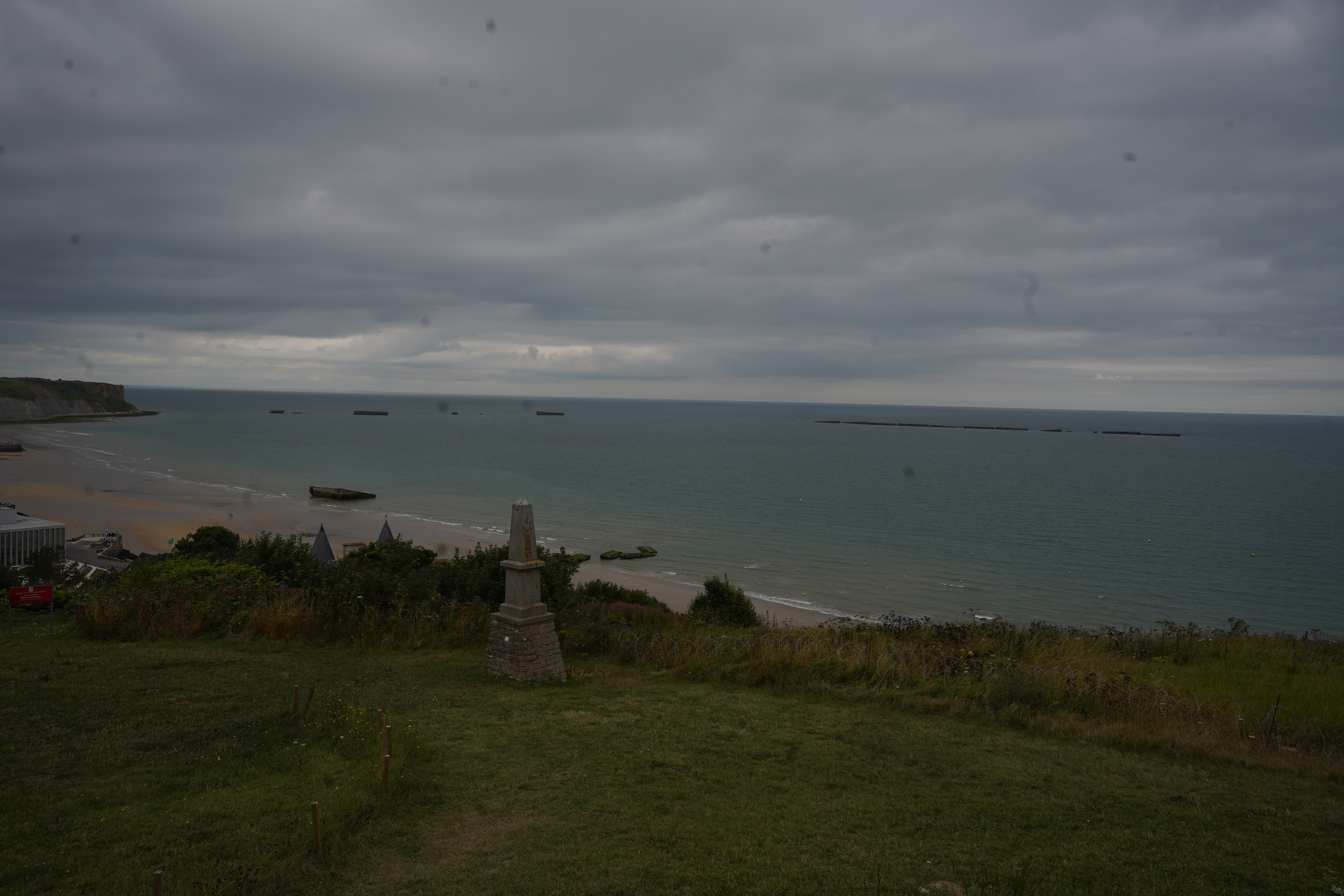
After quick stops at the British and Canadian beaches (Sword Beach and Juno Beach, respectively), we headed to Arromanches to check out the remains of the artificial harbor that was created by sinking ships.
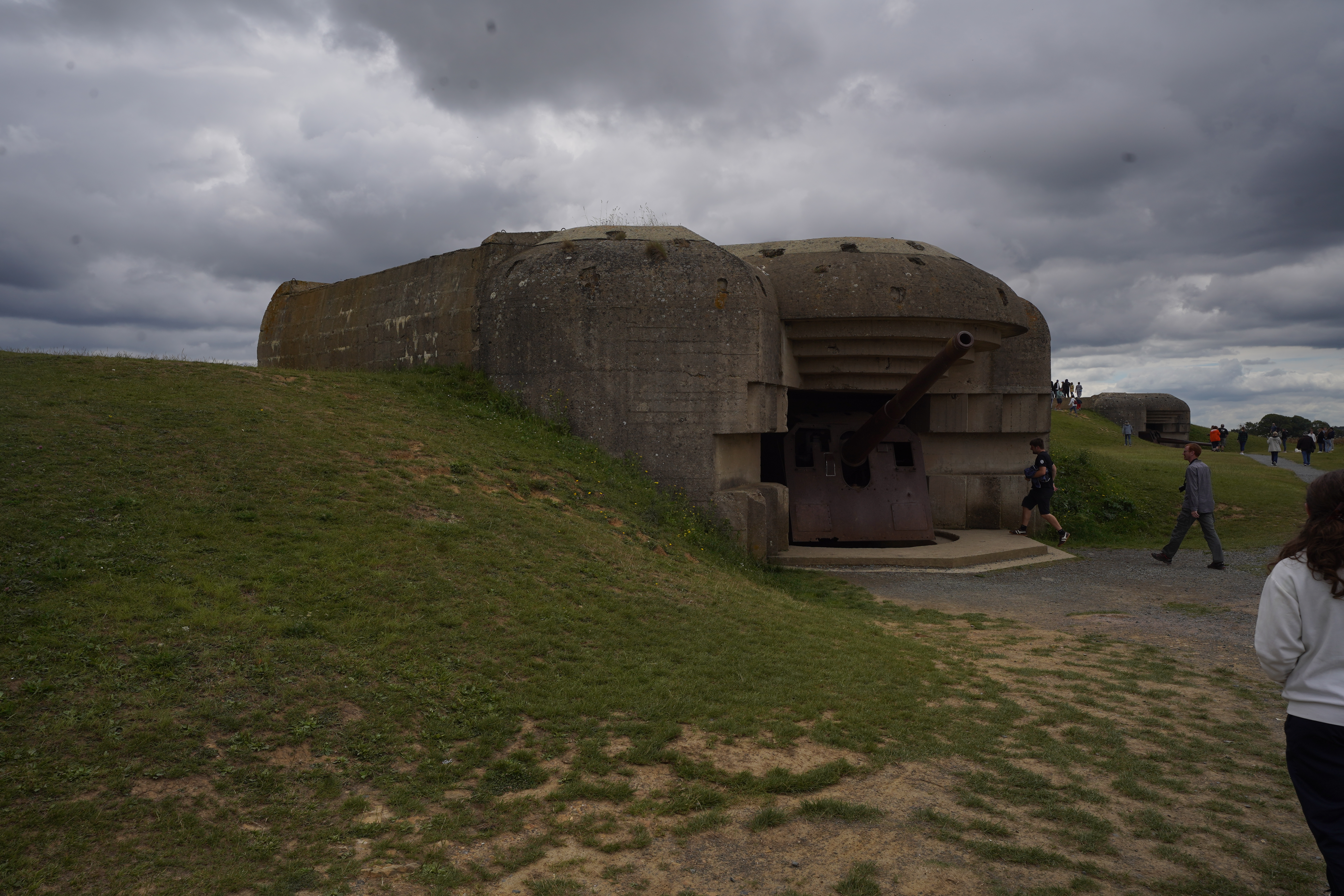
We next went to the remains of a German gun battery at Longues sur Mer. This battery had 4 large gun emplacements that were mostly still intact with 3 having the guns still in place. It was a good visual of how extensive some of the Atlantic Wall defenses were for the Germans when we landed in Normandy. Fun fact: on D-Day this installation got into a large gun fight with naval ships, including the U.S.S. Arkansas, supporting the landings and was eventually taken out.
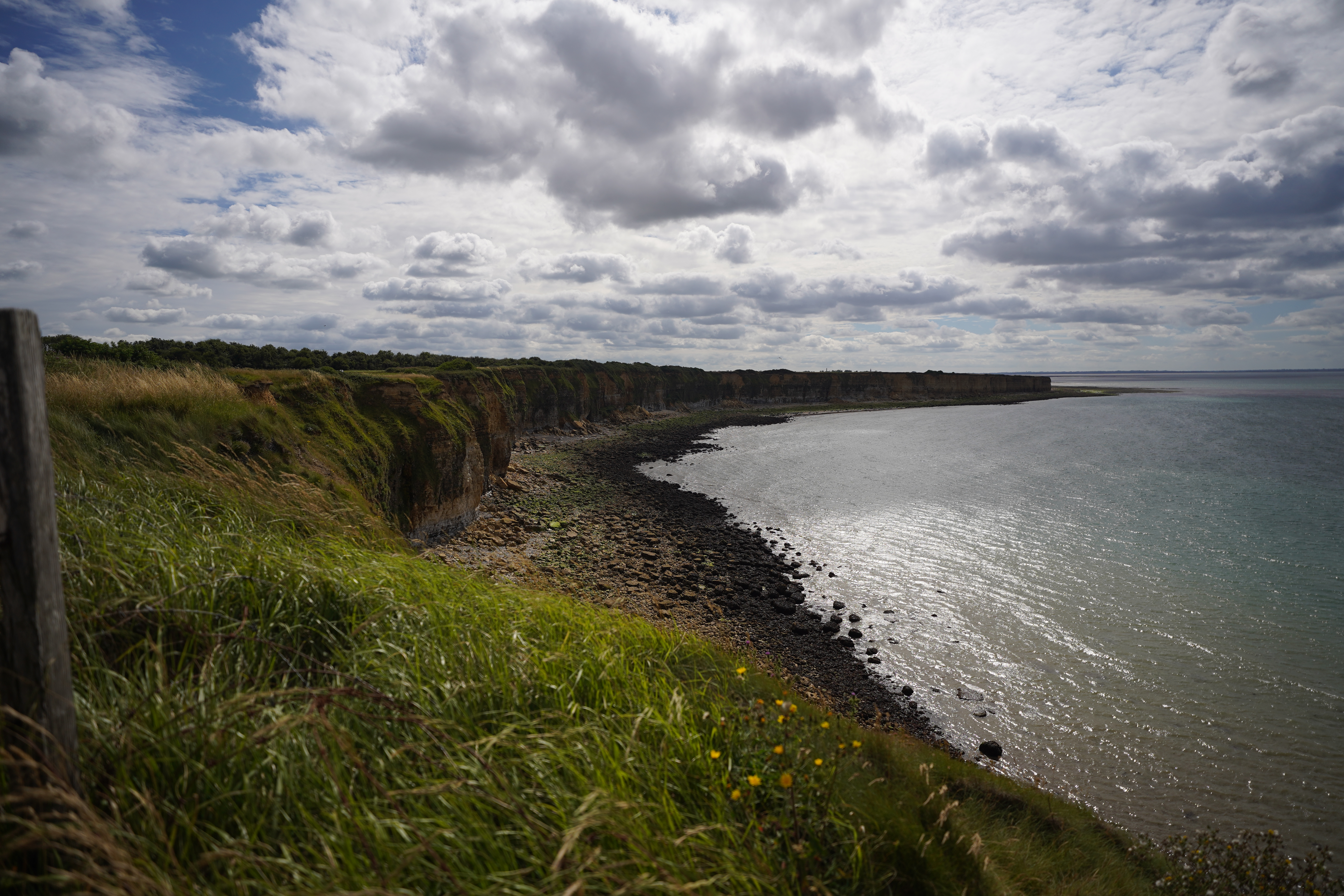
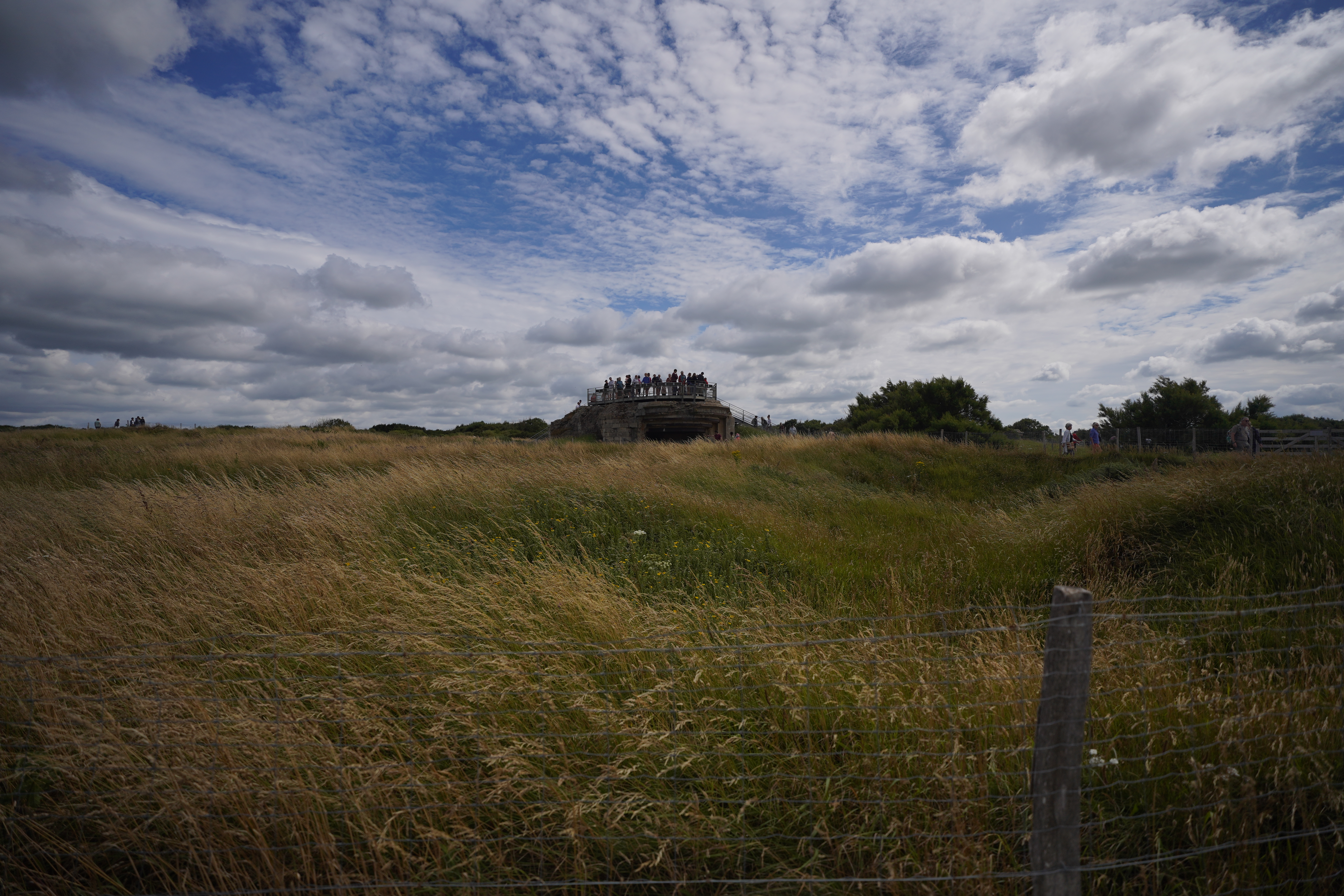
Pont du Hoc was our last stop of the day. This was a clifftop gun battery installation that was a priority target for D-Day. A unit of rangers was tasked with scaling the cliffs from the sea and taking out the guns as they were in reach of both the Utah and Omaha beaches. They scaled the walls and took out the garrison but discovered the guns had been moved. They found and destroyed the guns a bit inland then held out for several days as the Germans counterattacked. Relief finally came on June 8th and this was considered a key strategic victory for the early foothold we had in Normandy. The site itself was amazing as it’s mostly left as it was and the entire area is a maze of craters with concrete installations scattered about to support what was planned to be 6 large guns.
After a pretty busy second day we headed to Bayeux and our hotel for the next 2 nights and got checked in. Our very nice hotel clerk recommended a few close restaurants and we decided on a gallette place a few blocks away. After dinner we went to bed pretty quickly as we have another pretty full day tomorrow and plan to see the Utah and Omaha American sector beaches and area sights.
Today’s Highlights
- Pain au chocolate along the Seine
- Romantic Abbey ruins
- The Pegasus bridge and story
- Seeing all the beaches and getting a feel for the scale of the landings
- Pont du Hoc
- Crisp Normandy apple cidre and galettes for dinner
Tomorrow’s Proposed Adventures
- US D-Day beaches (Omaha & Utah)
- WWII Cemeteries
- Sainte-Mere-Eglise
 candbtravels
Grandma Tennies, Brother James is buried in Normandy American Cemetery at Colleville-sur-Mer, France. He is Sheryl’s, Sandi’s, and My Great Uncle.
He is buried in Plot A, Row 17, Grave 13. He died about a month after D-Day and was buried there. He received the Distinguished Service Cross. If you get a chance please visit him for the family. Grandma gave me his Fly Fishing reel that he had left with her for safekeeping. I still have it.
Thanks
LikeLiked by 1 person
We’ll stop by and pay our respects!
LikeLike